The Best LEGO Sets Under $100 to Invest In
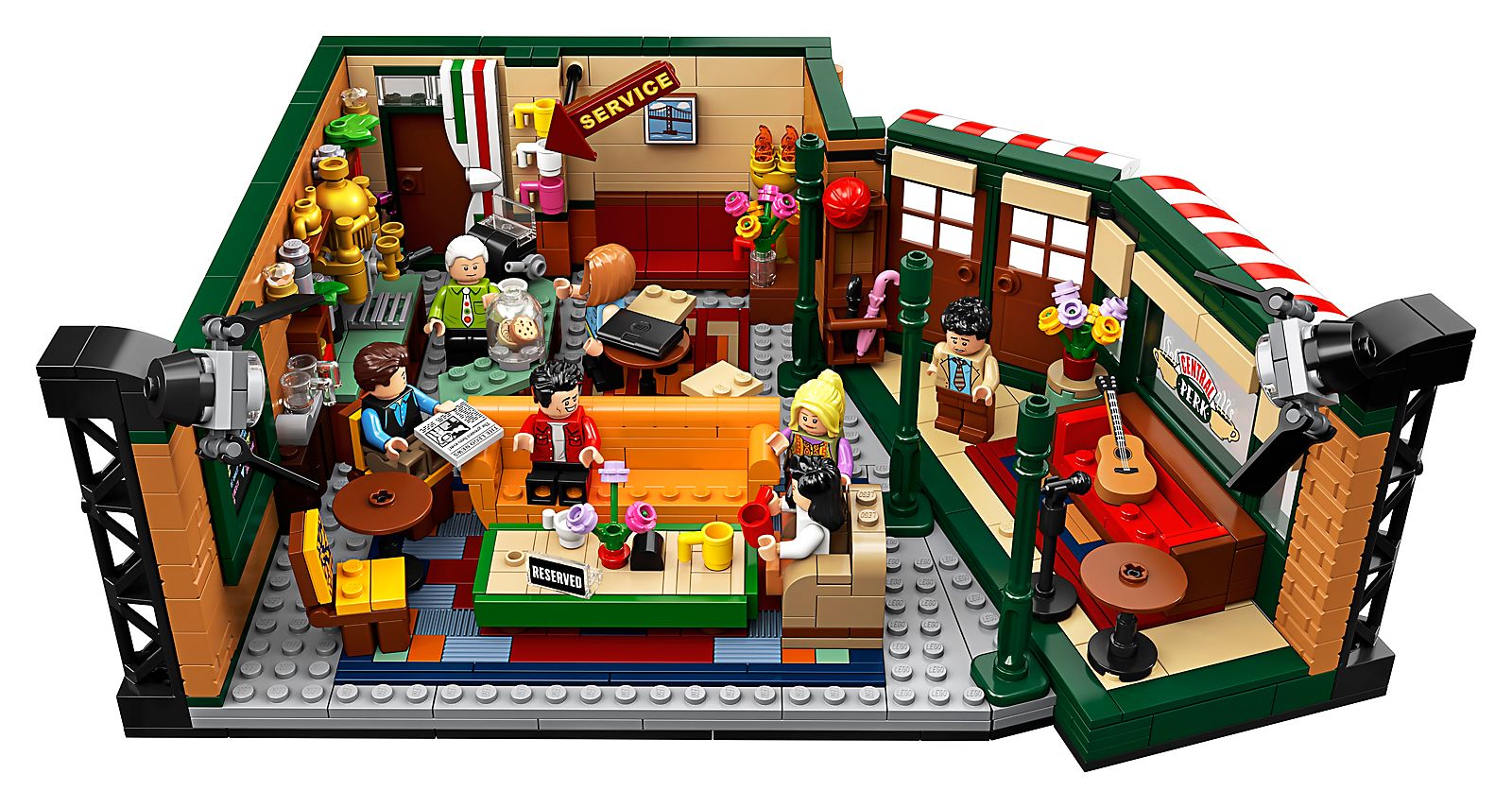
Finding the best LEGO sets under 100 dollars to invest in is one of the smartest ways to start a collection that could actually grow in value. You do not need to spend hundreds on a rare Millennium Falcon or a giant Technic supercar to see solid appreciation. Plenty of sets priced below $100 have quietly outperformed the stock market after retirement, and many of them are still on shelves right now. This guide walks through real sets that combine an accessible price with genuine long-term potential, and explains why smaller, affordable sets can still turn a healthy profit.
The appeal of investing at this price point is that the risk stays low while the upside can be surprisingly high. If a $60 set never appreciates, you still own a great model you can build and enjoy. If it doubles or triples after retirement, you have turned pocket money into a real return. That asymmetry is what makes the sub-$100 bracket the ideal place for both new and experienced collectors to build a portfolio.
Why affordable LEGO sets can still gain value
There is a common myth that only huge, expensive sets are worth collecting. In reality, some of the strongest returns come from mid-priced sets. The reason is simple: sets under $100 sell in large volumes to casual fans and gift buyers, so LEGO produces them widely and then retires them. Once a popular set leaves shelves, the supply stops but demand keeps climbing. That gap between shrinking supply and steady demand is what pushes secondary market prices up.
Affordable sets also have a lower barrier to entry for buyers on the resale market. A $60 retired set that climbs to $130 is an easy purchase for a nostalgic adult, whereas a $500 set that doubles becomes a serious investment decision for far fewer people. That liquidity matters when you eventually want to sell. Sealed condition, broad appeal, and a clear retirement date are the three ingredients that make a cheaper set a strong candidate.
Another factor is how long a set stays in production. LEGO typically keeps a set on the market for one to three years. Sets that sell well but are clearly reaching the end of their run offer the best timing, because you can buy at retail right before the supply disappears. The historical data on retired sets shows that the biggest jumps often happen in the first two to three years after a set leaves shelves, then the growth continues more slowly as remaining sealed copies get opened or lost over time.
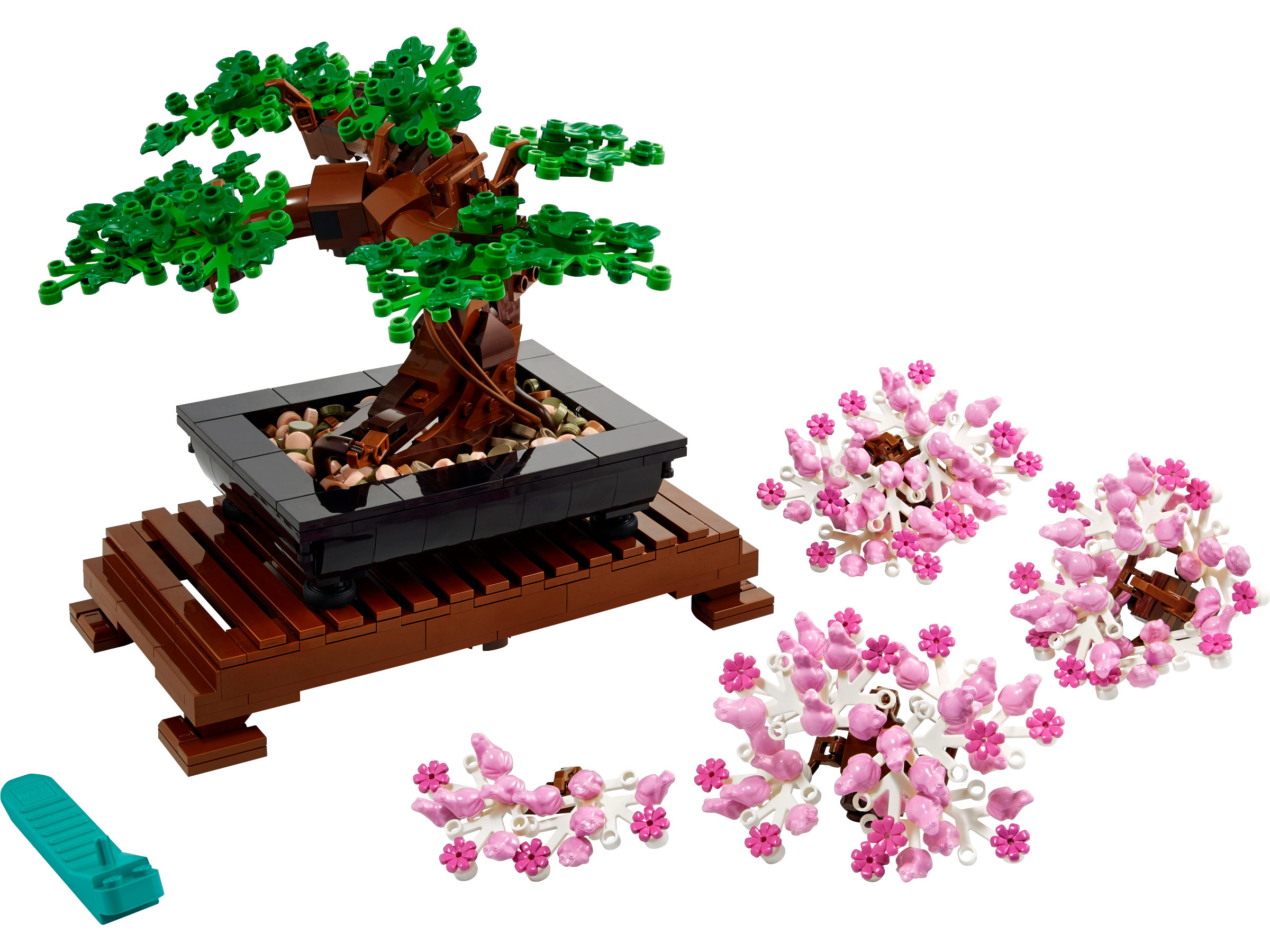
LEGO Botanical Collection: Bonsai Tree 10281
The Bonsai Tree is one of the most beloved sets in the botanical lineup and a frequent recommendation when people ask about the best LEGO sets under 100 dollars. At its retail price it sits comfortably under $50, which gives it enormous room to appreciate once retired. Its clever swappable cherry blossom and green leaf options give it display versatility that keeps demand high among adults decorating homes and offices.
Botanical sets have shown a consistent pattern of steady gains after retirement, driven by their appeal beyond the traditional LEGO fan base. Because the Bonsai is small, sealed copies store easily and stack well, making it practical to hold several. For a low entry cost and a proven category, it remains a benchmark starter pick. Buying two or three copies at retail is a common strategy: keep one to build and enjoy, and hold the rest sealed for the long term.
LEGO Botanical Collection: Flower Bouquet 10280
The Flower Bouquet 10280 was one of the first sets in the Botanical Collection and helped launch the entire category. Priced around $60, it has broad crossover appeal as a decor piece and a gift that never wilts. That gift-giving angle is important: it means the set sells to people who have no interest in LEGO as a hobby, widening the pool of future buyers.
As an early entry in a hugely successful theme, the Flower Bouquet carries a bit of collector significance too. When it eventually retires, expect the combination of nostalgia, decor demand, and its status as a category pioneer to support solid appreciation. It is a comfortable hold well under the $100 line. Sets that pioneer a successful theme often become the ones collectors want to complete their historical collection, which adds a second layer of demand beyond the casual buyer.

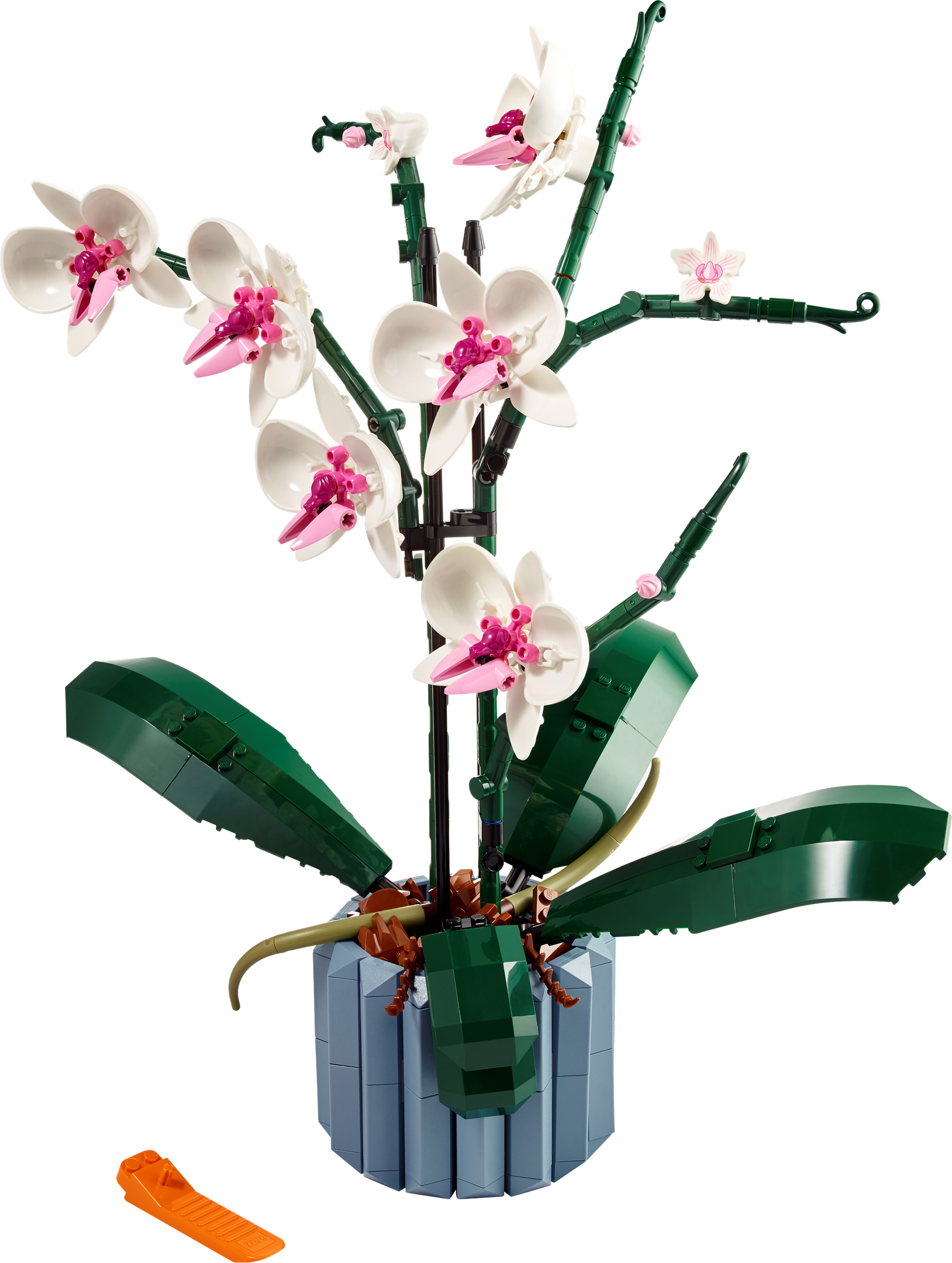
LEGO Icons Orchid 10311
The Orchid 10311 is another botanical standout, usually retailing around $50 to $60. Its elegant, realistic look makes it a favorite for adults who want a piece of display art rather than a toy. Sets that double as home decor tend to hold and grow value well because they attract buyers outside the usual collector market.
The Orchid also pairs naturally with the Bonsai and the Flower Bouquet, and collectors often want the full botanical trio. That set-building behavior creates extra demand for each individual piece once any of them leave production. At its price point, the Orchid is an easy, low-risk addition to an investment shelf. The wider the botanical range grows, the more each early set benefits from collectors trying to own the complete lineup.
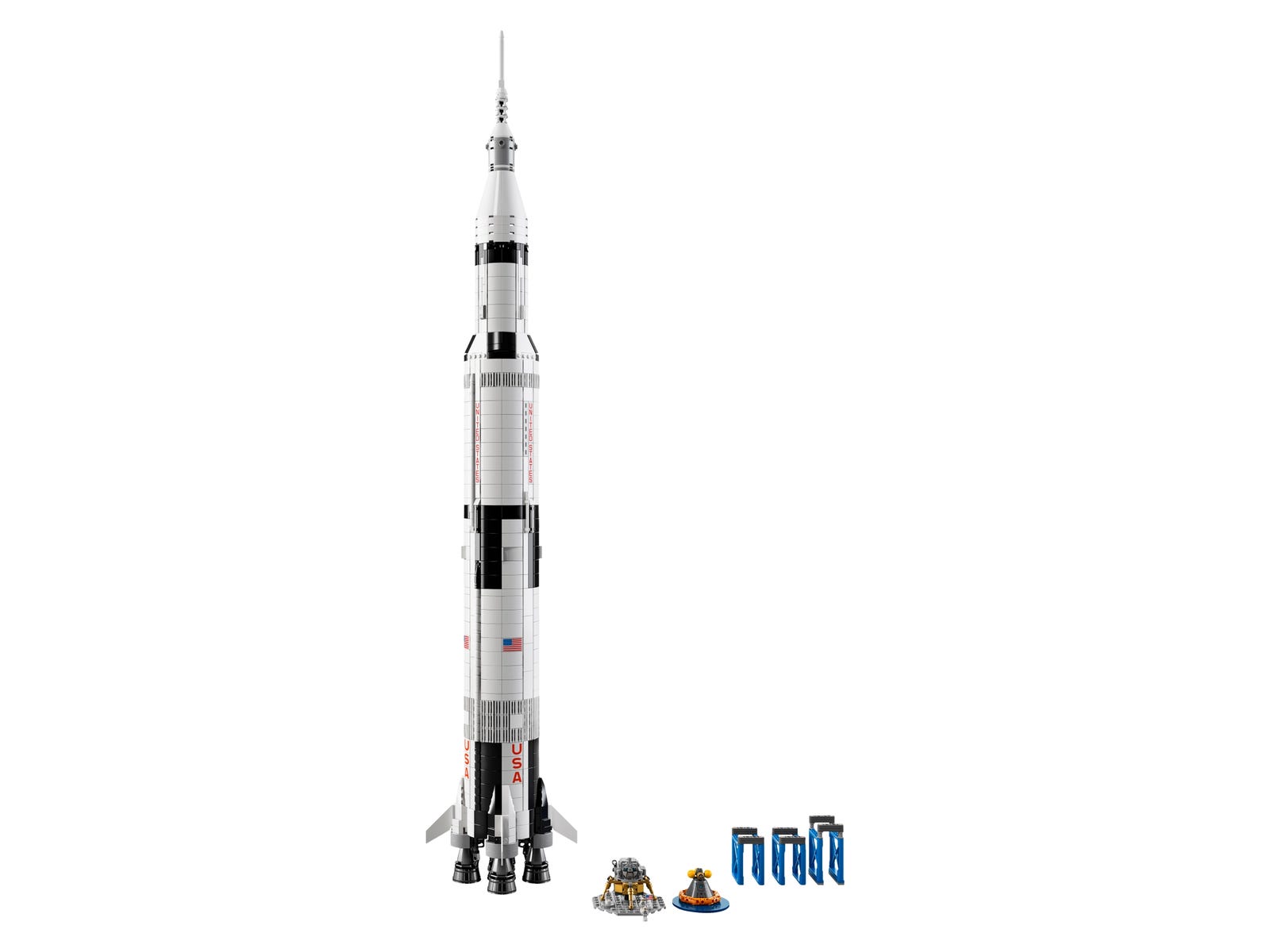
LEGO Ideas NASA Apollo Saturn V 92176
The NASA Apollo Saturn V is a legendary set with a passionate following. The 92176 version typically sold around $120 at retail, but it frequently appears on sale under $100, and that discounted entry point is exactly when it becomes a smart buy. Space and NASA themed sets have a track record of strong post-retirement performance, thanks to their educational appeal and enduring cultural interest.
This set already went through one retirement and relaunch cycle, which shows how durable the demand is. When picked up on a discount below $100, the Saturn V offers meaningful upside for patient collectors. Buy it sealed, store it flat because of its length, and wait for the next retirement. Space sets in general are a reliable theme to bet on because they appeal to adults, educators, and kids at the same time, and that broad audience keeps demand steady long after production ends.
Smaller LEGO Icons and Ideas sets to watch
Beyond the botanicals and the Saturn V, the Icons and Ideas lines are full of sub-$100 sets worth watching. Look for Ideas sets built from fan submissions, since they usually have limited production runs and a built-in community of supporters who will chase them on the resale market later. Licensed tie-ins, seasonal releases, and anything tied to a specific anniversary also tend to spike after retirement.
The general rule for this price bracket is to favor sets with unique designs, strong themes, and clear crossover appeal. A set that looks great on a shelf, references something people feel nostalgic about, or fills a niche the resale market cares about will almost always outperform a generic set at the same price. Buying near release and holding through retirement is the classic play.
Modular-style buildings, holiday and winter village sets, and vehicle replicas priced below $100 have historically been dependable performers as well. These sets combine detailed builds with strong display value, which keeps adult collectors engaged. When you spot one that ticks several of these boxes and is nearing the end of its production window, it deserves a spot on your watch list.
How to pick and track your investment sets
Choosing the right set is only half the job. The other half is knowing what you paid, what it is worth now, and when to sell. This is where a tool like BrickGains helps: instead of guessing, you can look up any set and see its value history and appreciation trend before you buy. Tracking your collection this way turns a hobby into a measurable portfolio.
A few practical habits go a long way. Always buy sealed if you plan to resell, keep boxes in a cool and dry place away from sunlight, and never store them under heavy weight that can crush corners. Watch for retirement announcements, since the window right before a set leaves shelves is often the last chance to buy at retail. You can check a set free to see where a candidate stands before committing your money.
Patience is the last ingredient. LEGO investing is not a get-rich-quick move; the best returns usually come after holding a sealed set for several years past its retirement date. Set a target price for each set, review your portfolio a couple of times a year, and sell when a set hits a value that makes sense for you. With BrickGains tracking the numbers, you can make those decisions on data rather than guesswork.
Key takeaways
- You do not need an expensive set to invest well; many of the best LEGO sets under 100 dollars have strong appreciation potential.
- Affordable sets gain value because high sales volume plus retirement creates a supply and demand gap, and lower prices keep the resale market liquid.
- The Botanical Collection (Bonsai 10281, Flower Bouquet 10280, Orchid 10311) offers proven decor crossover appeal and easy storage.
- The NASA Apollo Saturn V 92176 is a top pick when found discounted under $100, backed by lasting space theme demand.
- Smaller Icons and Ideas sets with unique designs, limited runs, or nostalgic hooks are worth watching.
- Buy sealed, store carefully, watch for retirements, be patient, and track value with a dedicated tool before and after you buy.