Retiring LEGO Sets 2026: The Sets to Buy Before They Disappear
Every year, LEGO quietly discontinues hundreds of sets, and for collectors and investors this is where the real money lives. Knowing which retiring LEGO sets 2026 are about to leave shelves is the single most reliable edge you can have, because once a set is gone from LEGO.com it can only be bought on the secondary market, usually at a premium. This guide breaks down what retirement actually means, why retired sets tend to appreciate, how to spot the warning signs early, and which themes and sets are most likely on the chopping block heading into and through 2026. Treat every date here as an estimate that can shift, and always confirm current status before you buy.
What "retiring" means for a LEGO set
A LEGO set "retires" when The LEGO Group stops manufacturing and selling it directly. That means no more production runs, no restocks on LEGO.com, and no fresh inventory flowing to major retailers. The set does not vanish overnight. Remaining stock sells through, prices at retail often creep up as availability tightens, and then the set disappears from official channels entirely.
After that point, the only way to buy a new or used copy is through the secondary market: BrickLink, eBay, marketplace groups, and collector-to-collector sales. This transition from "available at retail" to "secondary market only" is the exact moment that separates a $200 shelf item from a potential $350 flip a couple of years later. Understanding the retiring LEGO sets 2026 timeline is really about understanding this handoff and getting in before it happens.
One important nuance: LEGO rarely announces an exact retirement date far in advance. Sets carry a "Retiring Soon" tag on LEGO.com only in their final stretch, and even that is a moving target. Production can be extended, sets can get surprise reissues, and regional availability varies. So when you see a specific month attached to any set below, read it as an informed estimate, not a guarantee.
It also helps to separate two things that often get confused. "Out of stock" is temporary and reversible: a set can go dark for weeks and then reappear. "Retired" is permanent: production has ended and there will be no more official inventory. Chasing every out-of-stock notice will waste your money, while ignoring genuine retirement signals will cost you the sets that actually matter. The whole game is telling the two apart, and that is where consistent tracking beats guessing.
Why retiring sets gain value
The core mechanic is simple supply and demand. Once production stops, supply is permanently capped while demand keeps growing as new collectors enter the hobby and existing fans complete their collections. A fixed or shrinking supply meeting rising demand pushes prices up over time.
Several factors amplify this effect:
- Display appeal. Sets that look great on a shelf, like botanicals and architecture pieces, keep pulling in buyers long after retirement.
- Licensing. Licensed themes such as Star Wars or Icons tie-ins can lose their license entirely, meaning the set may never return in any form.
- Part demand. Sets loaded with rare or useful pieces get parted out, which drains the sealed supply further.
- Nostalgia and completeness. Flagship and modular sets become "must-have" items in a series, and latecomers pay up.
Historically, well-chosen retired sets have appreciated in the rough range of 5 to 15 percent per year on average, with standout sets doing far better and plenty of ordinary sets barely moving. Returns are never guaranteed, condition matters enormously, and sealed boxes command the strongest premiums. The point is not that every retiring set prints money. The point is that retirement is the trigger event, and choosing the right sets before that trigger is the skill.
It is worth being honest about the downside too. Some retired sets stay flat for years, a few dip before they recover, and storage, insurance, and the time value of your cash are all real costs. A set sitting sealed in a closet is money you cannot deploy elsewhere. That is why the sets you target should have a clear demand story behind them, whether that is display appeal, a fading license, or a passionate fan base, rather than the simple hope that "retired equals up." Retirement removes future supply, but demand is what turns that scarcity into a gain.
How to know when a set is retiring
There is no single official calendar, so smart buyers watch a combination of signals:
- Age of the set. Many sets run roughly 18 months to 3 years, while flagship Icons display sets can run longer. A set that has been out for two or more years is worth watching.
- The "Retiring Soon" tag. When LEGO.com flags a set this way, the window is usually short, often the final months.
- Stock behavior. Frequent "temporarily out of stock" status, shrinking retailer availability, and disappearing colors or variants are classic late-life signals.
- Price creep. When a set stops going on sale and starts holding full price or more, demand is outrunning supply.
- Community chatter. Collector forums and leak communities often flag likely retirements before they are official.
The problem is that tracking all of this manually across dozens of sets is tedious and easy to get wrong. This is exactly what BrickGains is built for: it pulls live BrickLink prices, tracks each set's value and ROI over time, and sends retirement and price alerts so you are notified when a set you care about enters its danger zone. You can check a set free to see its current resale value and status before you commit.
Likely retiring LEGO sets 2026, grouped by theme
Below is a practical watchlist of sets that are strong retirement candidates based on age, run length, and market behavior. These are examples to research, not financial advice, and every date is an estimate. Confirm live status before buying, because timelines shift constantly.
Botanicals (high display demand)
The botanical line has been one of the most consistent post-retirement performers because the sets appeal to buyers who never touch a traditional LEGO set. Aging entries here are worth close attention.
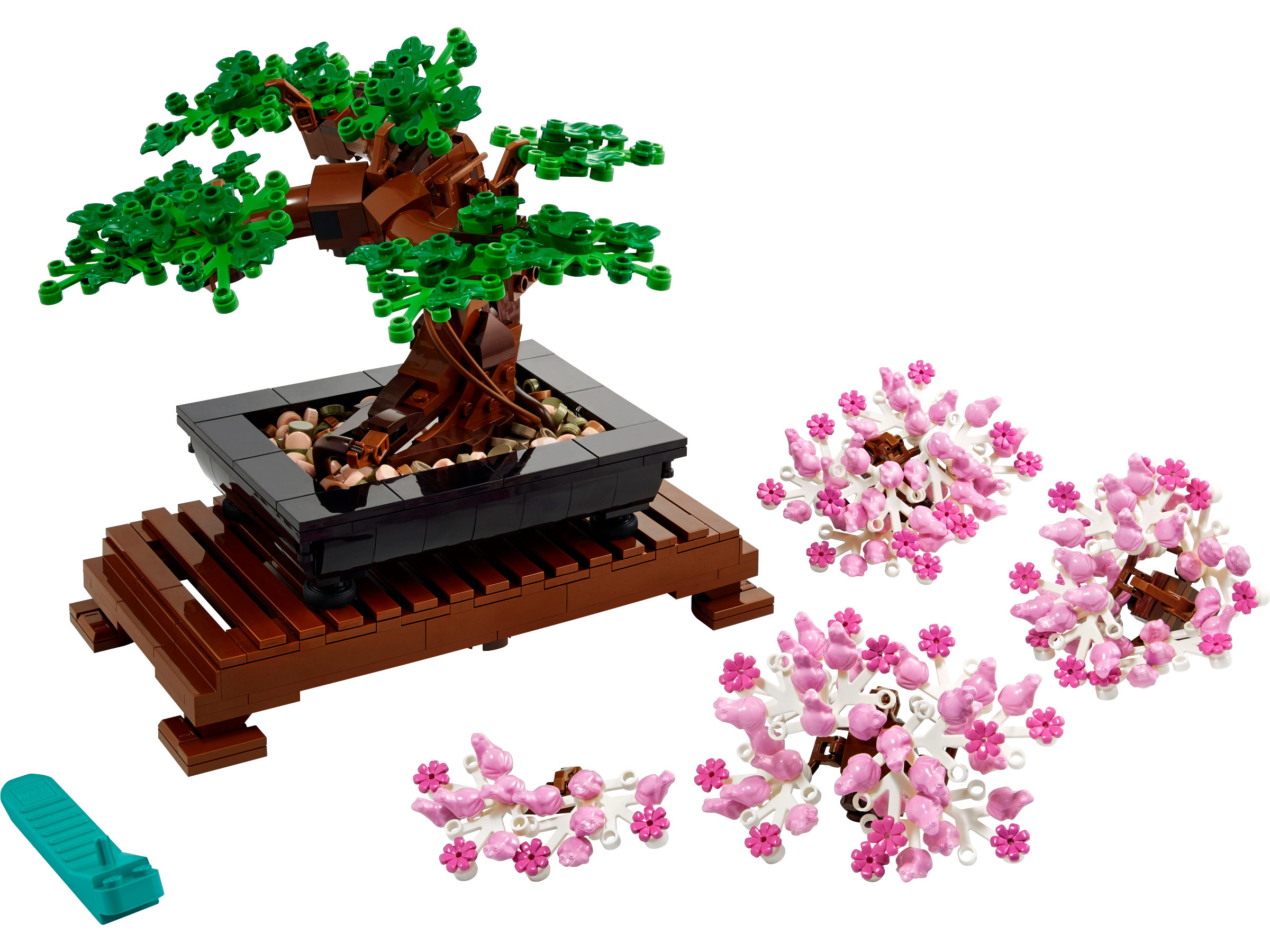
- Bonsai Tree 10281. One of the original botanicals and a long-running favorite. As older botanical sets rotate out, this is a prime watch candidate.
- Flower Bouquet and early companion sets. The first-wave botanicals tend to retire in clusters as the line refreshes.
Icons and Architecture display sets
Large display pieces attract adult buyers with disposable income and limited patience for the secondary market, which supports strong post-retirement pricing.
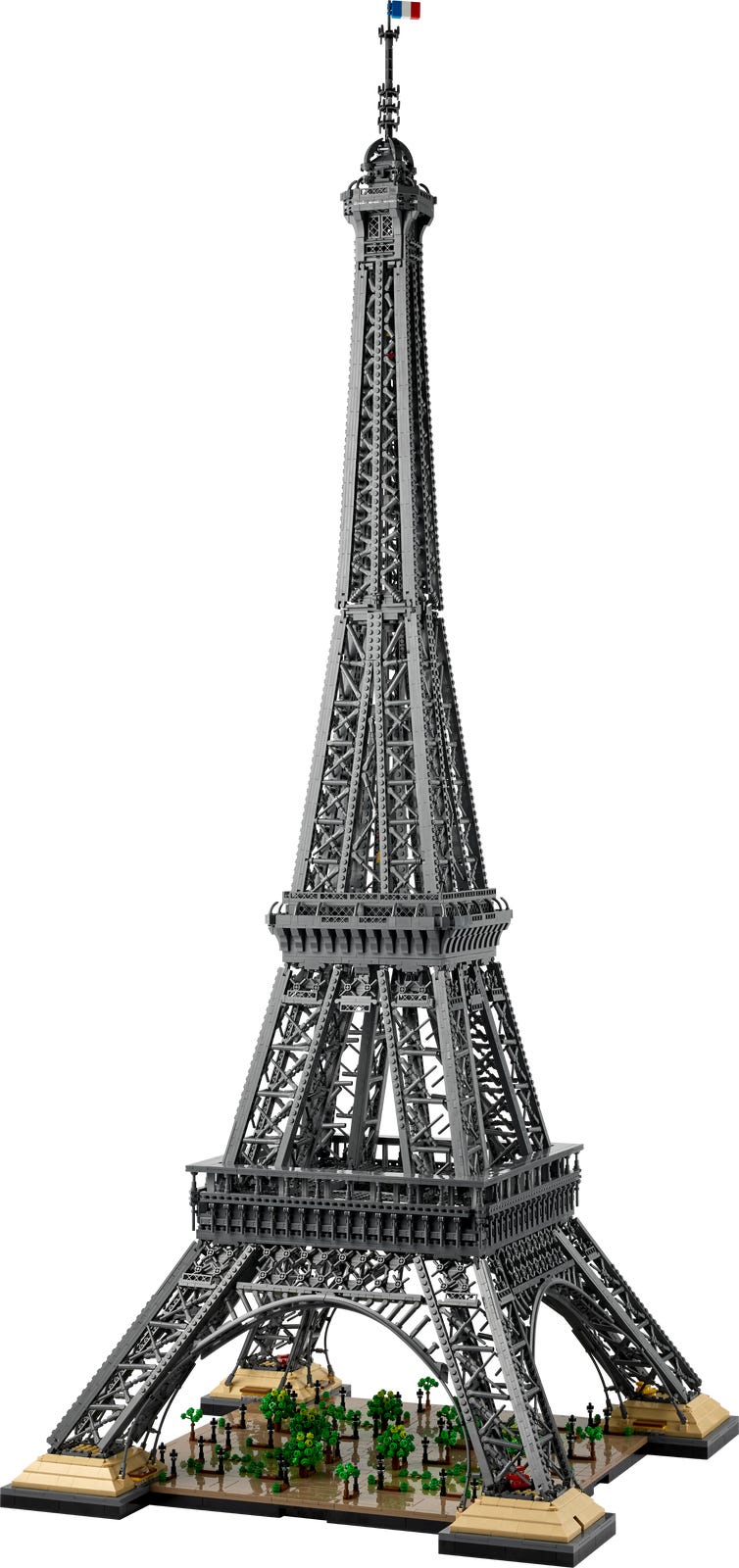
- Eiffel Tower 10307. A massive centerpiece set. Sets of this scale eventually retire hard, and demand for the finished display tends to persist.
- Colosseum 10276. Included here as a retired example: once one of the largest LEGO sets ever, it left retail and moved to secondary-market-only pricing, illustrating exactly how the transition plays out.
Castle and nostalgia sets
Nostalgia-driven sets built for adult fans often have passionate, completion-minded buyers who pay premiums after retirement.
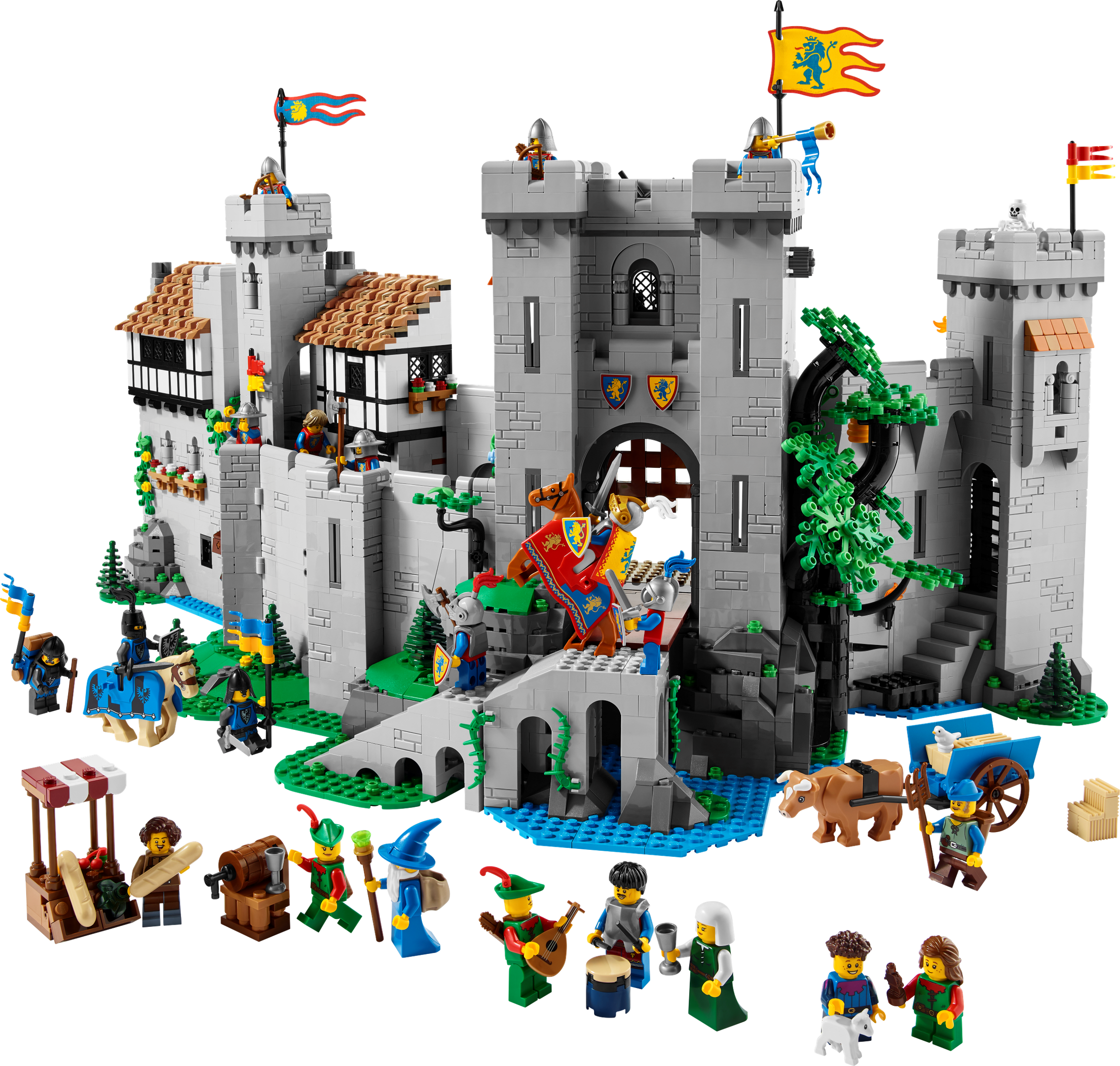
- Lion Knights' Castle 10305. A large, fan-favorite castle revival with heavy nostalgia appeal and a high piece count. Sets like this are frequently sought after once retired.
Licensed sets (highest ceiling, highest variance)
Licensed themes carry the biggest upside because the license itself can end, but they are also the most competitive to source and the most sensitive to hype cycles.
- Large Star Wars UCS-style display sets. Ultimate Collector Series and other big licensed builds have a strong track record of appreciation after retirement.
- Anniversary and limited licensed sets. Anything tied to a milestone or a license that may not renew deserves a spot on your watchlist.
How to actually play retiring LEGO sets 2026
Watchlisting is only half the job. The other half is disciplined execution:
- Buy quality, not everything. Focus on display-worthy, large, or licensed sets with proven demand rather than random discontinued items.
- Prioritize sealed and mint condition. Sealed boxes command the strongest premiums, and box condition matters to serious buyers.
- Buy on sale when possible. Your entry price sets your ROI ceiling. A retiring set bought at 20 percent off is a far better position than one bought at full price.
- Track value, not vibes. Use live BrickLink pricing to know what a set is actually worth today, not what a forum post claimed last year.
- Confirm status before every purchase. Retirement estimates move. A set you assumed was leaving may get extended, and one you ignored may vanish next month.
If you want the tracking handled for you, BrickGains monitors live resale value and ROI on the sets you own or watch and pings you when retirement risk spikes. You can get retirement alerts so you never miss the window on a set you have been eyeing.
Key takeaways
- Retirement means LEGO stops production and the set moves to secondary-market-only pricing, which is the trigger for appreciation.
- Retired sets tend to gain value because supply is permanently capped while demand keeps growing, roughly 5 to 15 percent per year on average for well-chosen sets, with wide variance.
- Watch for age, the "Retiring Soon" tag, stock instability, and price creep to spot retiring LEGO sets 2026 early.
- Strong candidate categories include botanicals like Bonsai Tree 10281, Icons and Architecture sets like Eiffel Tower 10307, castle sets like Lion Knights' Castle 10305, and licensed display sets. Colosseum 10276 is a clear retired example of how the transition works.
- All retirement dates are estimates that change, so confirm live status before buying, prioritize sealed condition, and buy on sale to protect your ROI.
- Use BrickGains to track live resale value, monitor ROI, and receive retirement and price alerts automatically.