How Much Is My LEGO Worth? 5 Ways to Find the Real Price
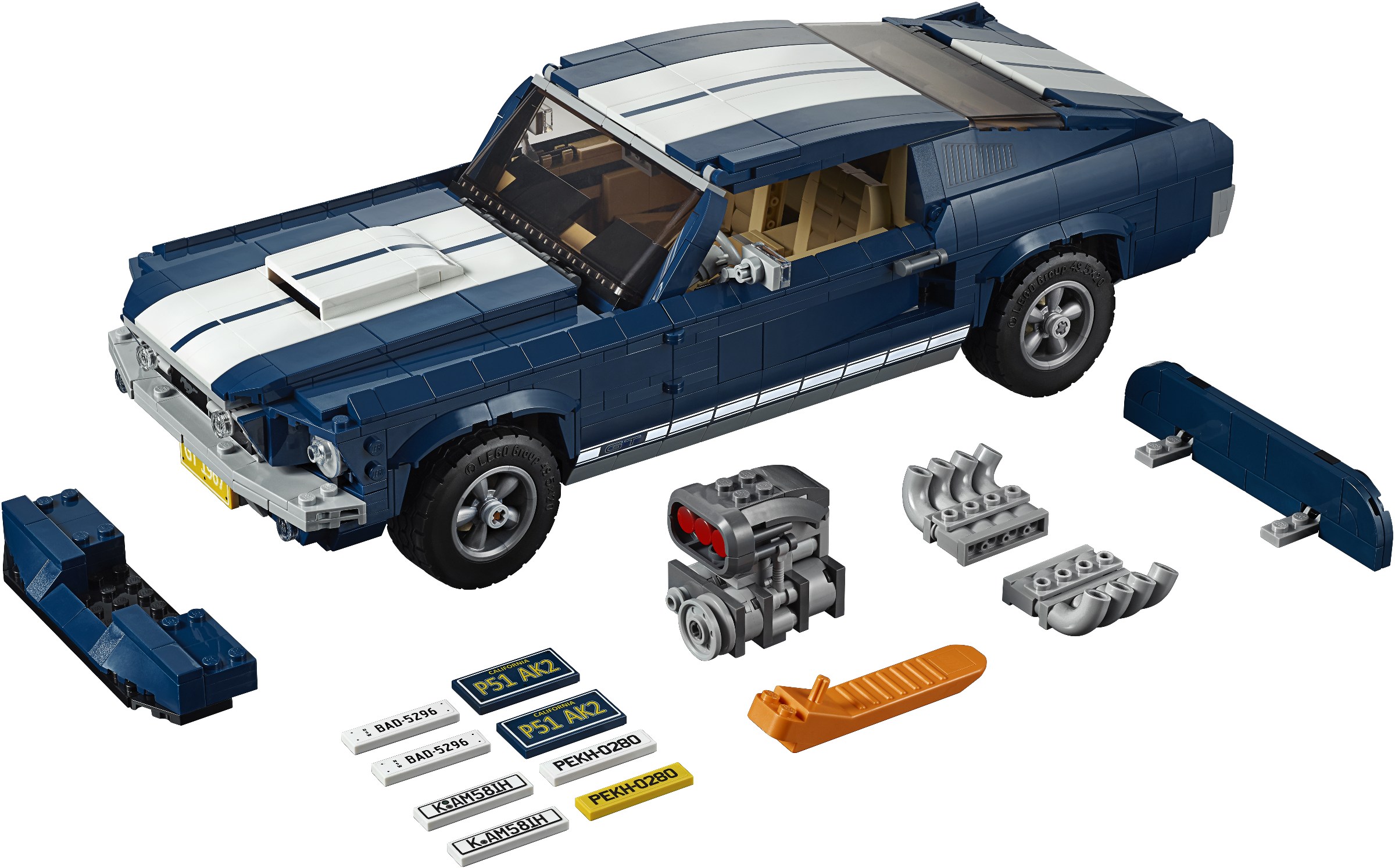
If you have ever looked at a pile of sets in your closet and wondered "how much is my LEGO worth," you are asking the right question at the right time. LEGO holds value better than most toys, and some retired sets sell for far more than their original price. But the honest answer is that a set is only worth what a real buyer will actually pay today, in the condition your set is in. This guide walks you through five practical ways to find the real price, so you stop guessing and start valuing your collection with confidence.
What Determines a Set's Worth
Before you can answer "how much is my LEGO worth," it helps to understand what actually drives price. A set is not worth a fixed number. Its value moves based on a handful of factors that stack on top of each other.
- Retirement status. Once LEGO stops producing a set, supply stops growing while demand often keeps climbing. Retired sets are usually where the real money lives.
- Demand and theme. Popular licensed themes like Star Wars, Modular Buildings, Icons, and Harry Potter tend to hold and grow value better than generic themes.
- Condition and completeness. A sealed set, a clean built set, and a missing-pieces set can be three completely different prices.
- Rarity and print run. Sets that were exclusive, short-lived, or limited in production tend to command more.
- Minifigures. Sometimes a single rare minifigure is worth more than the rest of the set combined.
Keep these in mind as you value your collection. Two identical box numbers can be worth very different amounts once you factor in condition and whether the set is sealed.

New and Sealed vs Used Value
The single biggest fork in valuing any set is whether it is new and sealed or used. These are almost separate markets.
New and sealed (NISB, "new in sealed box") is the premium tier. Collectors pay extra for a factory-sealed box because it guarantees every piece is present and the set is untouched. For retired sets, sealed copies can sell for a large multiple of the used price. The catch is that condition of the box itself matters a lot to serious buyers. Crushed corners, shelf wear, or a torn seal can pull the price down noticeably.
Used and complete sits in the middle. If the set is fully built or bagged, has all pieces, includes the minifigures, and ideally comes with the instructions and box, it still holds strong value, just below sealed. Most collections fall into this category.
Used and incomplete is the entry tier. Missing pieces, missing minifigures, no instructions, or heavy wear all drag the price toward "parts value" rather than "complete set value." That is still worth money, but you value it differently, which we cover below.
The takeaway is simple. When you look up a price, always match the exact condition of your set. A sealed comp tells you nothing reliable about your used, box-less copy.
Where to Find Real Prices: BrickLink Sold, eBay Sold, and Price Guides
This is the heart of answering "how much is my LEGO worth." Ignore listing prices, which are just what sellers hope to get. Focus on sold prices, which are what buyers actually paid.
BrickLink Price Guide (sold data)
BrickLink is the largest dedicated LEGO marketplace, and its price guide is the gold standard for real value. For any set, you can see the average, minimum, and maximum that copies actually sold for over the last six months, split cleanly into new and used. Because BrickLink is where serious collectors and resellers trade, its sold data reflects the true collector market better than almost anything else.
eBay sold listings
eBay is the largest general marketplace, so it captures casual buyers and sellers that never touch BrickLink. To use it correctly, search the set number, then filter by "Sold Items." This shows you the green sold prices from completed sales, not hopeful asking prices. eBay is especially useful for sealed sets and for gauging what non-collectors will pay.
Price guides and aggregators
There are guides and tools that track LEGO values over time, show retirement dates, and chart price growth. These are great for spotting trends and for sets that trade too rarely to show fresh sold data. Use them as a second opinion rather than a single source of truth.
When these sources roughly agree, you have a reliable number. When they disagree, the truth is usually somewhere in the middle, weighted toward the marketplace with the most recent sales.
Why "Estimates" Are Often Wrong
Type "how much is my LEGO worth" into a search engine and you will get plenty of quick estimates. Treat them with caution. Here is why generic estimates mislead people so often.
- They ignore condition. A single estimate cannot know if your box is crushed, if pieces are missing, or if the set is sealed. Condition can swing value by 50 percent or more.
- They use stale data. LEGO prices move, sometimes fast, right after a set retires. An estimate built on last year's sales can be badly off.
- They average across the wrong things. Mixing sealed and used sales into one number produces a figure that matches neither reality.
- They forget fees. The number a buyer pays is not the number you keep. Marketplace and payment fees plus shipping eat into your take.
A good valuation is specific to your set number, your condition, and recent sales. That is exactly why pulling live sold data beats any one-size-fits-all guess. BrickGains was built for this. It shows the real resale value of a set from live BrickLink prices, so you skip the guesswork and get a number grounded in what the market is doing right now.
How Condition and Completeness Affect Price
Condition is where a lot of value is won or lost, so it deserves a close look. Here is roughly how each factor tends to move the price, keeping in mind these are general ranges, not fixed rules.
- Sealed vs opened. Breaking the seal moves a set from the premium tier to the used tier. For sought-after retired sets, that gap can be large.
- Completeness of pieces. A complete set is worth full price. Every missing piece chips away at value, and a missing rare part or minifigure can cut deeply.
- Minifigures. These are often the most valuable elements. A complete set with all its figures is worth much more than the same set missing them.
- Instructions and box. Original instructions and a clean box add a meaningful premium for collectors, even on used sets.
- Wear and cleanliness. Yellowing, scratches, stickers applied crooked, and grime all reduce value. Clean, well-kept bricks sell for more.
Before you value a set, take five minutes to honestly assess it. Is it sealed or opened? Complete or missing pieces? Do you have the minifigures, instructions, and box? Those answers decide which price comp actually applies to you.
Valuing Bulk and Loose LEGO
Not everything is a neat, complete set. If you have bins of mixed bricks, loose pieces, and partial sets, you value them differently. Here you are usually selling by weight or by parts, not by set.
Selling by weight (bulk). Mixed, clean, sorted LEGO typically sells at a price per pound. Clean, brand-name-only, minifigure-free bulk sits at the lower end. Bulk that includes minifigures, wheels, and desirable parts sells for more per pound. It is the fastest way to move a lot of bricks, but usually the lowest value per piece.
Selling by parts (part-out). This is where BrickLink shines. Every individual element has its own price. Rare parts, specific colors, and minifigures can add up to far more than bulk weight would ever pay. The trade-off is time. Parting out means sorting, listing, and shipping many small items. It rewards patience.
Rebuilding sets. If your loose pieces can be reassembled into a known set with instructions, that complete set is almost always worth more than the same pieces sold loose. It is worth checking whether your bulk hides a valuable set waiting to be rebuilt.
For most people with mixed bins, a smart approach is to pull out the obvious value first (minifigures, big or rare parts, complete sets) and sell the leftover truly generic bricks as bulk by weight.
A Simple Step-by-Step to Value Your Collection
Here is a clean process you can run today to answer "how much is my LEGO worth" for your whole collection.
- Find the set numbers. The four to seven digit number is printed on the box, in the instructions, and often on a baseplate. This is your key to every price source.
- Assess condition honestly. For each set, note sealed vs used, complete vs missing pieces, and whether you have minifigures, instructions, and the box.
- Pull sold prices, not asking prices. Check the BrickLink price guide for new and used sold data, then cross-check eBay sold listings for the same number and condition.
- Match your exact condition. Compare against comps that mirror your set. Do not price a used, box-less copy off a sealed sale.
- Subtract selling costs. Factor in marketplace fees, payment fees, and shipping to estimate what you actually keep.
- Handle bulk separately. For loose bricks, decide between bulk-by-weight and part-out, pulling the obvious value out first.
- Track the total and watch retirement. Add it all up, and keep an eye on which sets are near retirement, since those are the ones most likely to jump.
Running this by hand across a large collection takes real time. That is exactly the job BrickGains is built for. It pulls a set's real value from live BrickLink prices in seconds, tracks the ROI of your whole collection in one place, and sends retirement and price alerts so you know the best moment to sell. If you want the fastest honest answer for a single set, check a set free and see the real number instead of a guess.
Key Takeaways
- A LEGO set is worth what a real buyer pays today, in your set's exact condition, not a fixed number.
- Retirement, demand, rarity, condition, and minifigures are the main drivers of value.
- Always use sold prices from BrickLink and eBay, never hopeful asking prices.
- Sealed, used-complete, and used-incomplete are almost three separate markets, so match your comp to your condition.
- Value bulk and loose LEGO by weight or by parts, and pull the obvious value out first.
- Generic online estimates ignore condition and use stale data, which is why they are often wrong.
- For a fast, honest number and whole-collection tracking with retirement alerts, BrickGains is the quickest way to get there.