How to Store LEGO Sets to Keep Their Value
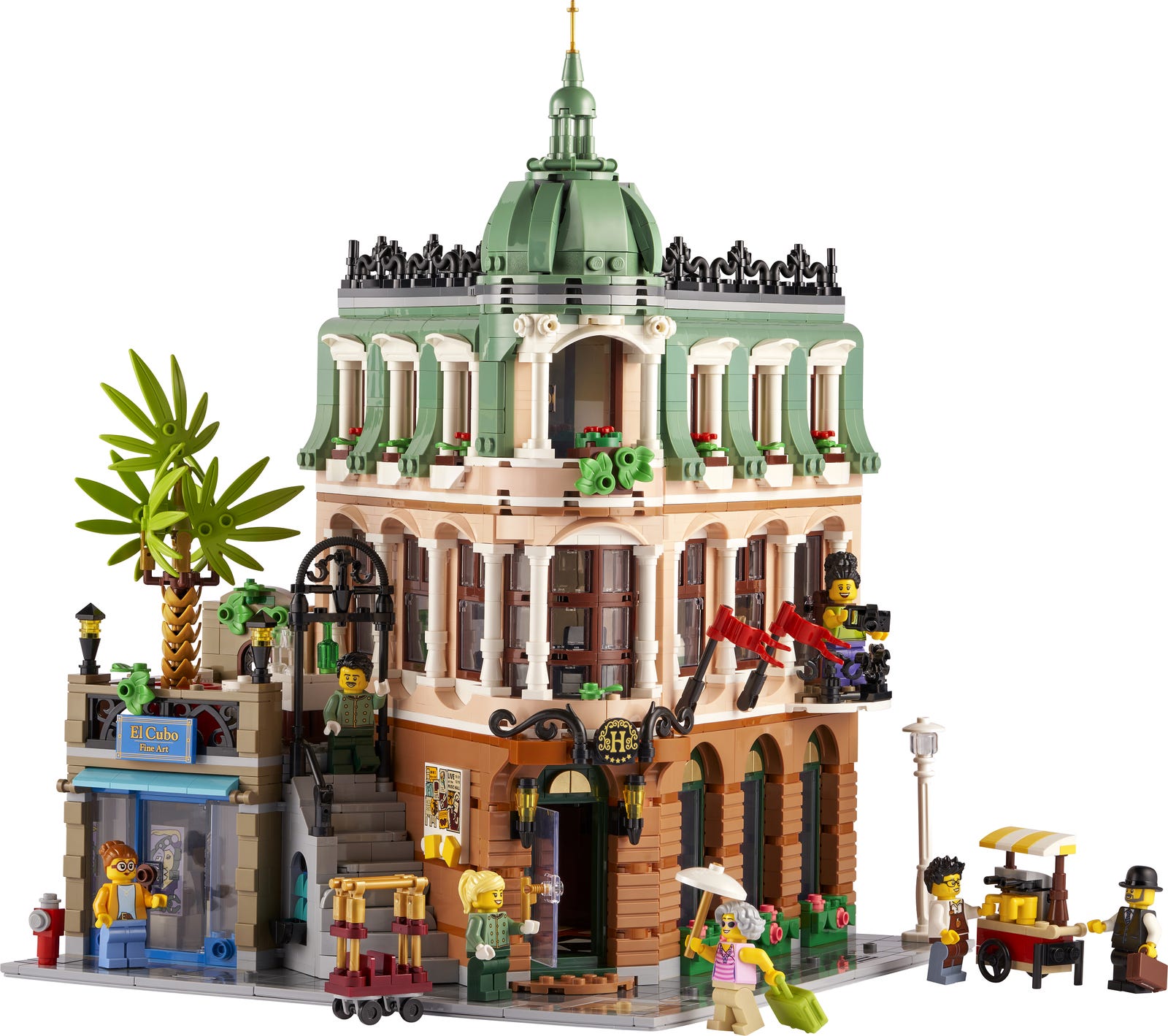
If you own even a handful of LEGO sets, learning how to store LEGO the right way is one of the smartest moves you can make. Sealed sets and cleanly built displays hold their value far better than boxes that have been crushed, faded, or left in a damp garage. Whether you collect for fun or treat your bricks like an asset, the way you store them today decides what they are worth years from now. This guide walks through storing sealed sets, protecting built models, long-term box care, and the common mistakes that quietly destroy resale value.
Condition is everything in the LEGO resale market. Two identical sets can sell for very different prices based on nothing more than box wear and cleanliness. A sealed set with sharp corners and bright colors can command a premium, while the same set with a sun-faded lid and dented flaps sells at a discount. The good news is that most of the damage collectors worry about is completely preventable with a few simple habits.
It also helps to think about how you buy and rotate storage as your collection grows. Sets tend to accumulate faster than the space to store them properly, and that is when people start stacking boxes in the garage or piling them in a closet corner. A little planning ahead, choosing shelving and protectors before you need them, keeps your best sets in mint condition instead of forcing last-minute compromises that cost you value later.
How to Store Sealed LEGO Sets to Protect Value
Sealed sets are where the biggest value gains happen, so they deserve the most care. The enemies are light, humidity, temperature swings, crushing weight, and direct sun. Control those five factors and your boxes can stay near mint for years.
Keep sets out of direct light and sunlight
UV light is the fastest way to ruin a LEGO box. Sunlight fades printed cardboard within months, turning vivid reds and blues into washed-out pastels. A faded box instantly signals wear to buyers even if the bricks inside are perfect. Store sealed sets in a closet, cabinet, or opaque storage bin, never on an open shelf that catches window light. If you like to display sealed boxes, use a cabinet with UV-filtering glass or keep the display away from any window.
Control humidity
Humidity is a silent killer for cardboard. Damp air makes boxes soft, warps the flaps, and can grow mold on the printing and the interior packaging. Aim for a relative humidity around 40 to 50 percent. Basements, garages, and attics are usually the worst offenders because they swing between damp and dry. If you must store there, add a dehumidifier or toss a few silica gel packs into your storage bins and replace them when they saturate. Avoid sealing boxes in fully airtight plastic that can trap moisture against the cardboard.
Hold a steady temperature
Extreme heat and cold both cause problems. Heat can soften the adhesive on box seals and make plastic elements brittle over time, while freezing temperatures combined with moisture accelerate warping. A stable indoor room temperature, roughly 60 to 75 degrees Fahrenheit, is ideal. What matters most is avoiding big swings, so an interior closet beats a garage that bakes in summer and freezes in winter.
Never let boxes get crushed
Crushing is the most common storage mistake, and it is entirely avoidable. Stacking heavy sets on top of lighter ones dents corners and caves in flaps. Store boxes so weight is distributed evenly, and never pile large sets on small ones. When possible, stand sets upright like books rather than stacking them flat, and keep the heaviest sets on the bottom. Rigid plastic bins or sturdy shelving protect boxes far better than a loose pile in a moving carton.
Guard against sun damage to the box art
Even indirect sun that reaches a shelf for a few hours a day will slowly bleach box printing. If you notice one side of a box looking lighter than the other, sun is the cause. Rotate sets out of any light path entirely rather than relying on curtains that get left open. For high-value sets, an interior room with no windows is the safest home.
Not sure which of your sealed sets are worth protecting most? You can check a set's value free with BrickGains before deciding how much storage effort each one deserves.
How to Store Built LEGO Sets Without Losing Value
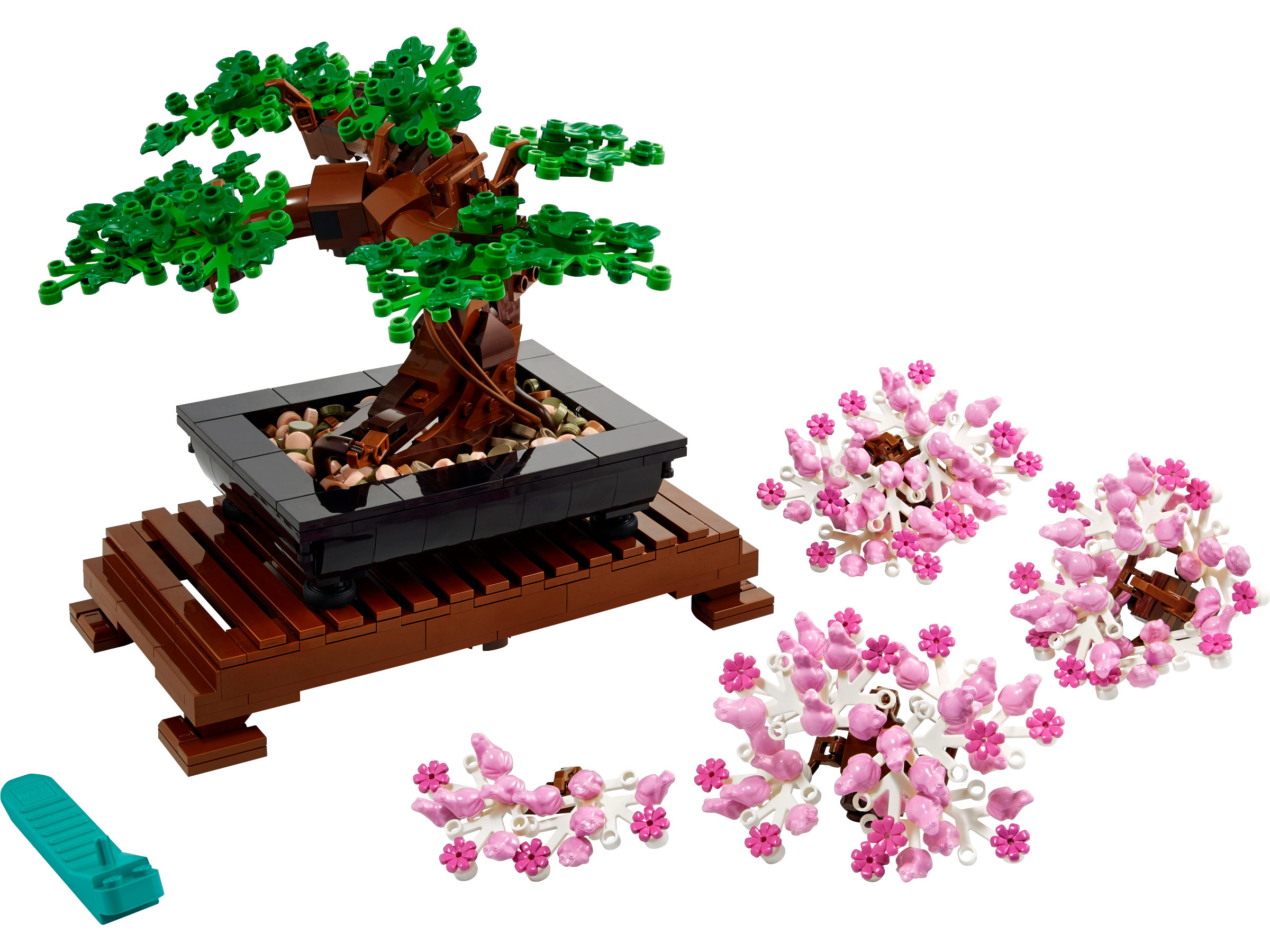
Built sets can also hold value, especially rare or retired models kept in excellent condition. The two main threats to a built model are dust and UV light, and both are manageable.
Beat the dust
Dust is the number one complaint for anyone displaying built LEGO. It settles into every crevice, dulls colors, and is a chore to remove from detailed models. The best defense is an enclosed display case with glass or acrylic doors. IKEA-style glass cabinets are popular with collectors for exactly this reason. If you cannot enclose a model, dust it gently and regularly with a soft brush, a microfiber cloth, or a can of compressed air held at a distance. Never soak a built set in water while it is assembled, since water can get trapped between bricks and behind stickers.
Block UV light on built models
UV does not only fade boxes. It fades the plastic bricks themselves. White and light gray pieces are especially prone to yellowing when they sit in sunlight for long periods, and that yellowing is often permanent. Keep display shelves out of direct sun, use UV-filtering glass in display cases, and rotate models occasionally so no single side takes all the light. For long-term storage of a built set you no longer display, take it apart and store the pieces in a sealed container away from light, which also protects it from dust and accidental breakage.
Keep the instructions and minifigures safe
Value is not only in the bricks. Original instruction booklets and rare minifigures often carry a large share of a set's worth, and both are easy to damage. Store instruction booklets flat in a folder or archival sleeve so they do not bend or tear, since creased instructions lower the value of an otherwise complete set. Keep loose minifigures in a small compartment box rather than loose in a bin where accessories get lost or scratched. If you ever plan to sell a built set as complete, keeping every original piece, booklet, and figure together is what lets you list it at full value.
Long-Term Box Protection for Serious Collectors
If you plan to hold sets for years as an investment, a few extra steps pay off. These methods protect the exact features that buyers inspect first: corners, seals, and printing.
- Acid-free storage: Use acid-free tissue or archival boxes for your most valuable sets. Standard cardboard and newspaper can leach acids that discolor packaging over time.
- Individual box protectors: Clear, rigid plastic box protectors are the collector standard. They shield corners and flaps from dents, block dust, and let you stack safely without the boxes touching each other. They are inexpensive relative to the value they protect.
- Upright shelving: Store protected boxes upright on solid shelves so weight rests on the sturdy edges rather than the printed faces.
- Climate-controlled space: The best location is an interior closet or spare room with stable temperature and humidity, never a garage, attic, or basement.
- Handle with clean, dry hands: Oils and moisture from hands can mark glossy box printing, so handle valuable sealed sets as little as possible.
Tracking a growing collection by memory gets hard fast. With BrickGains you can track your collection and watch how each set's value moves so you know which ones justify premium storage.
Common LEGO Storage Mistakes to Avoid
Most value loss comes from a short list of avoidable errors. Watch for these:
- Leaving sets in sunlight: The single biggest cause of faded boxes and yellowed bricks. Keep everything out of direct and indirect sun.
- Storing in the garage, attic, or basement: These spaces swing between damp, hot, and cold, which warps cardboard and can breed mold.
- Stacking heavy on light: Crushed corners and caved flaps drop resale value fast. Distribute weight and store upright when you can.
- Opening sealed sets you plan to sell: A broken seal usually cuts value sharply. If value matters, leave it sealed.
- Using tape or stickers on boxes: Never write on, tape, or label a collectible box directly. Any residue or mark lowers its grade.
- Ignoring humidity: Soft, warped, or musty boxes are hard to sell. Keep the air dry and stable.
- Wet-cleaning assembled models: Trapped water damages stickers and internal pieces. Dust dry, or disassemble before washing.
Avoid these mistakes and your collection will stay in the condition buyers pay top prices for. Good storage is not complicated. It is mostly about keeping light, moisture, and weight away from your sets and staying consistent over time.
Key takeaways
- Store sealed sets away from light, humidity, temperature swings, crushing weight, and direct sun to protect their value.
- UV light fades both boxes and bricks, so keep everything out of sunlight and use UV-filtering glass for any display.
- Keep humidity around 40 to 50 percent and temperature stable, avoiding garages, attics, and basements.
- Protect built sets from dust with enclosed cases, and disassemble models for the safest long-term storage.
- Use rigid box protectors and upright shelving for high-value sealed sets you plan to hold long term.
- Never open sets you plan to resell, and never tape, write on, or crush the boxes.
- Check a set's value with BrickGains before deciding how much storage effort it deserves.