How to Tell if a LEGO Set Will Go Up in Value
Every LEGO collector eventually asks the same question: which LEGO sets will go up in value, and which ones will sit in a closet losing money? The truth is that appreciation is not random. Retired LEGO sets have historically outperformed many traditional collectibles, but only a fraction of all sets deliver real returns. Most stay flat or barely track inflation. Learning to read the signals that separate a future grail from a dead weight is the single most useful skill a LEGO investor can build. This guide breaks down the real value drivers, with concrete set numbers, so you can evaluate any set before you buy.
Exclusivity and licensing: the strongest signal for which LEGO sets will go up in value
If you want a quick shortcut for which LEGO sets will go up in value, start with exclusivity and licensing. Sets that are hard to get while they are on shelves tend to become even harder to get after retirement, and scarcity is what drives resale prices up.
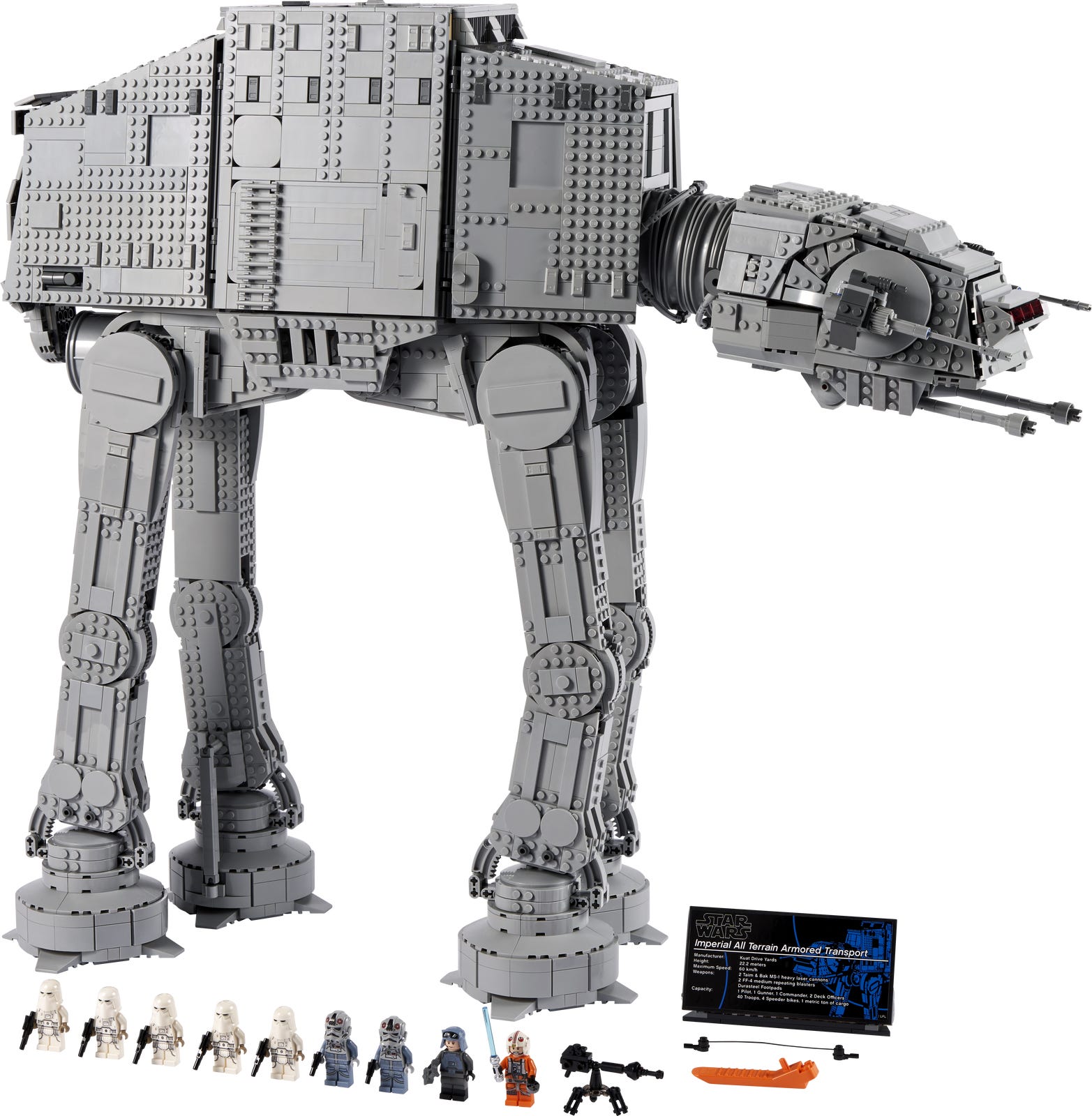
Exclusivity comes in a few forms. Some sets are sold only through LEGO directly, never through big box retailers, which limits total supply. Others are convention exclusives, employee gifts, or promotional builds produced in tiny quantities. The Star Wars UCS line is the classic example: the original UCS Millennium Falcon (10179) climbed well past its retail price after retirement, and the Imperial Star Destroyer (75252) and Ultimate Collector Series sets in general carry a strong track record.
Licensed themes add another layer. Star Wars, Harry Potter, Marvel, and licensed architecture sets benefit from fan bases that extend far beyond LEGO collectors. When a licensing deal ends or a specific character loses its license, existing sets can spike because no replacements will ever be made. That said, a license alone is not a guarantee. A common licensed set produced in huge numbers can still stay flat. Exclusivity plus license is the combination that matters.
Retirement timing: buying in the right window
A LEGO set can only appreciate meaningfully after it retires, because while it is in production the supply keeps refilling and the price stays anchored to retail. Understanding the retirement lifecycle is central to timing your buys.
Most mainstream sets have a production life of roughly 18 to 36 months, though flagship display sets can run longer. The sweet spot for buyers is usually the final months before retirement, when discounts sometimes appear and the clock on new supply is running out. After the official retirement date, prices often stay flat or dip for six to twelve months while remaining retail stock clears, then begin their climb as sealed inventory dries up.
This is why patience matters. Buying a set on day one and expecting immediate gains rarely works. The real appreciation curve tends to show up one to three years after retirement, and the strongest performers keep climbing for years beyond that. Retirement alerts are exactly the kind of edge that helps here, since knowing a set is about to leave shelves lets you buy before the post retirement squeeze. You can check a set free to see where a specific set sits in its lifecycle.
Piece count and price per piece
Piece count is a useful proxy for value, but it is often misunderstood. What matters is not raw piece count alone, it is the price per piece relative to the norm. LEGO retail pricing generally lands somewhere around 9 to 12 cents per piece for standard sets, though licensed and specialty sets run higher.
A set with an unusually low price per piece at retail has more room to appreciate, because the resale market tends to correct undervalued sets upward once supply tightens. A set that was already expensive per piece at launch has less headroom. Large parts, minifigures, and rare printed pieces skew this math, since a set loaded with sought after minifigures can command a premium far above what the piece count suggests.
Comparing price per piece across sets is tedious to do by hand, which is where a tool earns its keep. BrickGains shows price per piece alongside live BrickLink resale data, so you can spot whether a set is priced fairly at retail or already carrying a premium before you commit. Two sets with identical piece counts can have very different value trajectories depending on their part mix and minifigure lineup.
Fan demand and theme: which LEGO sets will go up in value fastest
Demand is what turns scarcity into price. A rare set that nobody wants stays cheap. When you are judging which LEGO sets will go up in value fastest, look at how deep and durable the fan base is for that theme.
Some themes have consistently strong secondary demand. Modular buildings, the Creator Expert and Icons lines, and iconic Star Wars ships tend to hold and grow value because they appeal to adult collectors who buy to display and to keep. The modular building series, sets like the Assembly Square (10255) and older entries like the Cafe Corner (10182), has been one of the most reliable appreciating lines in the hobby.
Nostalgia is a powerful multiplier. Sets tied to a childhood franchise, a landmark film, or a beloved building era attract buyers who are willing to pay to reclaim a memory. Themes with thin or fickle fan bases, or licensed tie ins to a movie that flopped, carry much weaker demand and often disappoint. Ask yourself who will still want this set in five years, and how badly.
Set size and display value
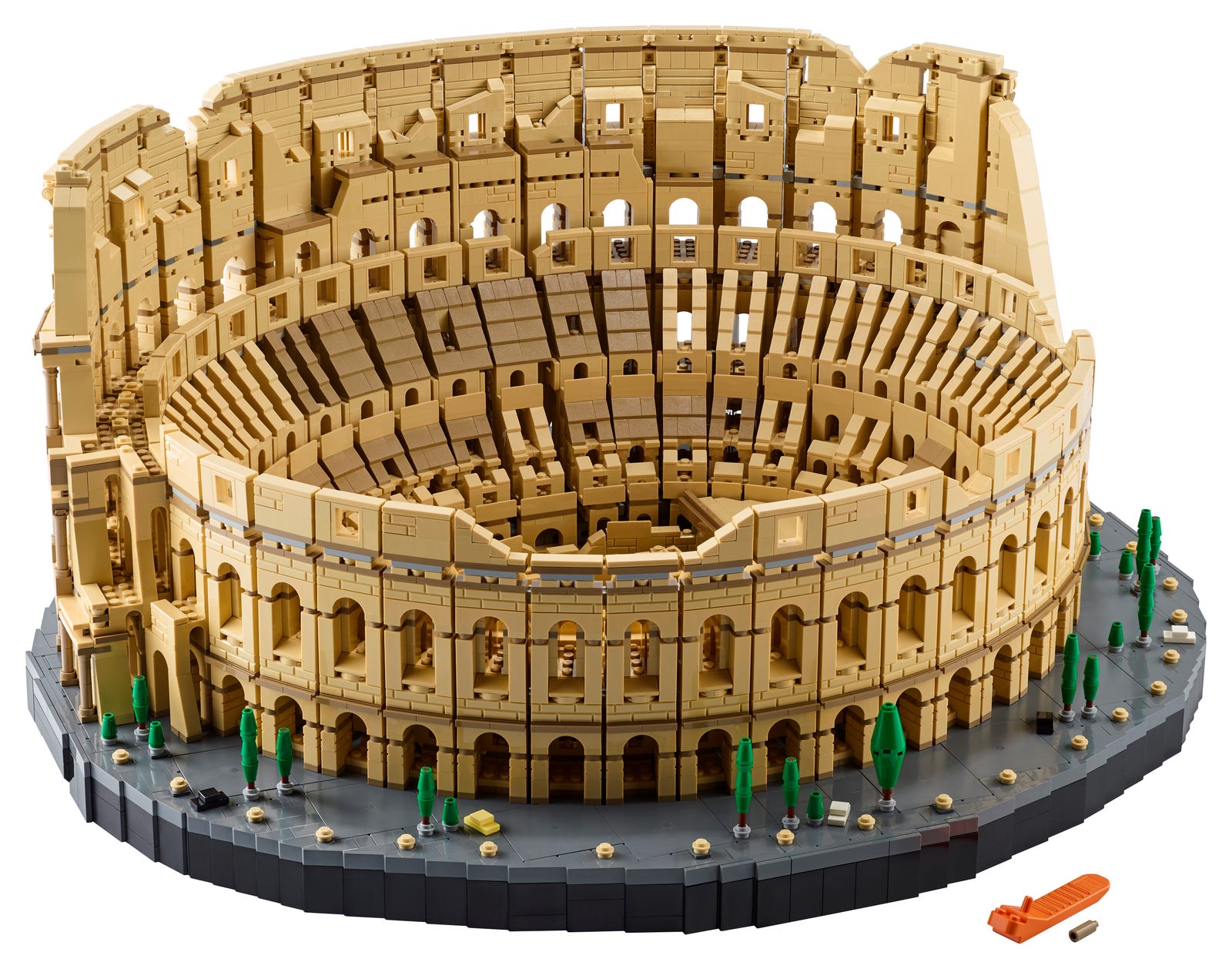
Large display sets have a structural advantage in the resale market. A set that looks impressive on a shelf becomes a centerpiece, and centerpieces attract buyers who care less about paying a premium. Big builds like the Titanic (10294), the Colosseum (10276), and large UCS ships combine high piece counts with genuine display presence, which supports strong long term demand.
Display value also protects a set from being parted out. When a set is worth more assembled and admired than broken down for pieces, the intact market stays healthy and prices hold. Smaller sets and polybags can appreciate too, especially rare promotional ones, but they rely more on completeness and collector obsession than on shelf appeal.
Size is not a pure win, though. Very large sets tie up more capital and take more storage space, and their weight makes shipping expensive, which can shave into resale margins. The best display sets balance impressive presence with a piece count and price that still leave room to appreciate.
Condition: sealed versus opened
Condition is where a lot of value is won or lost. For investment purposes, a sealed set in mint condition is the gold standard. Sealed sets command a clear premium over opened ones, and that gap tends to widen as a set gets older and pristine copies become rare.
Box condition matters more than many beginners expect. Crushed corners, dents, stickers, and price tag residue all reduce value in the eyes of serious collectors. If you are buying to hold, store sets flat or upright in a cool, dry place away from sunlight, and avoid stacking heavy items on top. A little care in storage can be the difference between a top tier resale and a discounted one.
Opened and built sets still have a market, especially complete ones with the box, instructions, and all minifigures. But built sets compete on a different footing, and missing pieces or lost instructions drag prices down fast. If your goal is appreciation rather than display, keep it sealed.
Red flags: sets unlikely to appreciate
Just as important as spotting winners is recognizing sets that are unlikely to go up in value. A few red flags reliably signal weak appreciation potential.
Mass produced sets are the biggest one. Sets sold everywhere in enormous quantities, common licensed sets, and perennial evergreen products rarely become scarce enough to appreciate. Basic brick boxes, buckets, and the largest print runs stay cheap because supply never really disappears.
Watch out for sets tied to a fad or a single moment. A movie tie in for a film that underperformed, or a trendy theme that cools off, can leave you holding stock that nobody wants at any premium. Heavily discounted sets that never sold well at retail are another warning sign, since weak initial demand often predicts weak resale demand.
Finally, be cautious with anything you are buying purely on hype. Sets that are hyped as instant investments frequently get overproduced or hoarded by speculators, which floods the eventual resale market and caps prices. The healthiest appreciation comes from sets that were quietly good, genuinely limited, and loved by a durable fan base, not the ones everyone is already talking about. When in doubt, check the actual resale trend against retail rather than trusting a forum rumor. You can track your sets and let the data confirm whether a set is really moving up.
Putting it all together
No single factor decides whether a set appreciates. The strongest performers stack several signals at once: an exclusive or licensed set, with real display value, a fair or low price per piece, a durable fan base, kept sealed, and bought near retirement. When those line up, the odds tilt heavily in your favor. When most of them are missing, the safe assumption is that the set will stay flat.
Treat every purchase as a small thesis. Name the reasons you expect the set to appreciate, check the current resale value against retail before you buy, and set alerts so you are not guessing about retirement or price moves. That discipline is what separates collectors who quietly build value from those who accumulate boxes that never pay off.
Key takeaways
- Exclusivity plus licensing is the strongest signal that a LEGO set will appreciate, since limited supply meets broad demand.
- Real appreciation usually shows up one to three years after retirement, so time your buys near the retirement window, not launch day.
- Judge price per piece against the norm, roughly 9 to 12 cents for standard sets, and factor in minifigures and rare printed parts.
- Deep, durable fan demand and strong display value, like modular buildings and large UCS sets, support long term price growth.
- Keep investment sets sealed and store them carefully, since box condition heavily influences resale price.
- Avoid mass produced sets, fad tie ins, and hyped instant investments, and confirm any thesis against real resale data before you buy.