LEGO Star Wars vs Harry Potter: Which Holds Value Better?
When collectors ask whether lego star wars vs harry potter is the better bet for holding value, they are really asking which licensed theme protects money over time. Both franchises sit at the top of the LEGO secondary market, both have deep fanbases, and both produce sets that command strong premiums years after retirement. But they behave differently as investments. Star Wars is the older, broader, and more heavily supplied theme, while Harry Potter is younger, more concentrated, and driven by a handful of iconic builds. This comparison breaks down fanbase size, set output, flagship performers, retirement behavior, and risk so you can decide where your shelf space and budget belong. There is no single right answer for every collector, but there are clear patterns once you look at how each theme has actually performed on the secondary market.
Fanbase Size and Demand
Star Wars has the larger and more global collector base. It has been a LEGO theme since 1999, which means multiple generations of adults grew up with it and now buy sets with disposable income. That breadth creates deep, consistent demand across almost every subtheme, from minifigure army building to display centerpieces. When a Star Wars set retires, there is usually a wide pool of buyers ready to pay a premium, and that liquidity is one of the most underrated parts of value holding. A set is only worth what someone will actually pay for it quickly, and Star Wars tends to have buyers waiting.
Harry Potter has a passionate but more concentrated audience. The theme relaunched in 2018 and leans heavily on nostalgia from a defined story window. Demand is strong, especially for castle and landmark builds, but it is less spread out. Fewer subthemes carry the weight, which means value tends to cluster around a small number of hero sets rather than being distributed across the catalog. For value holding, a broad fanbase is generally a tailwind, and here Star Wars has the edge on sheer size. That said, Harry Potter demand is remarkably durable for its flagship sets, and the audience keeps renewing itself as new fans discover the franchise.
Set Output and Supply
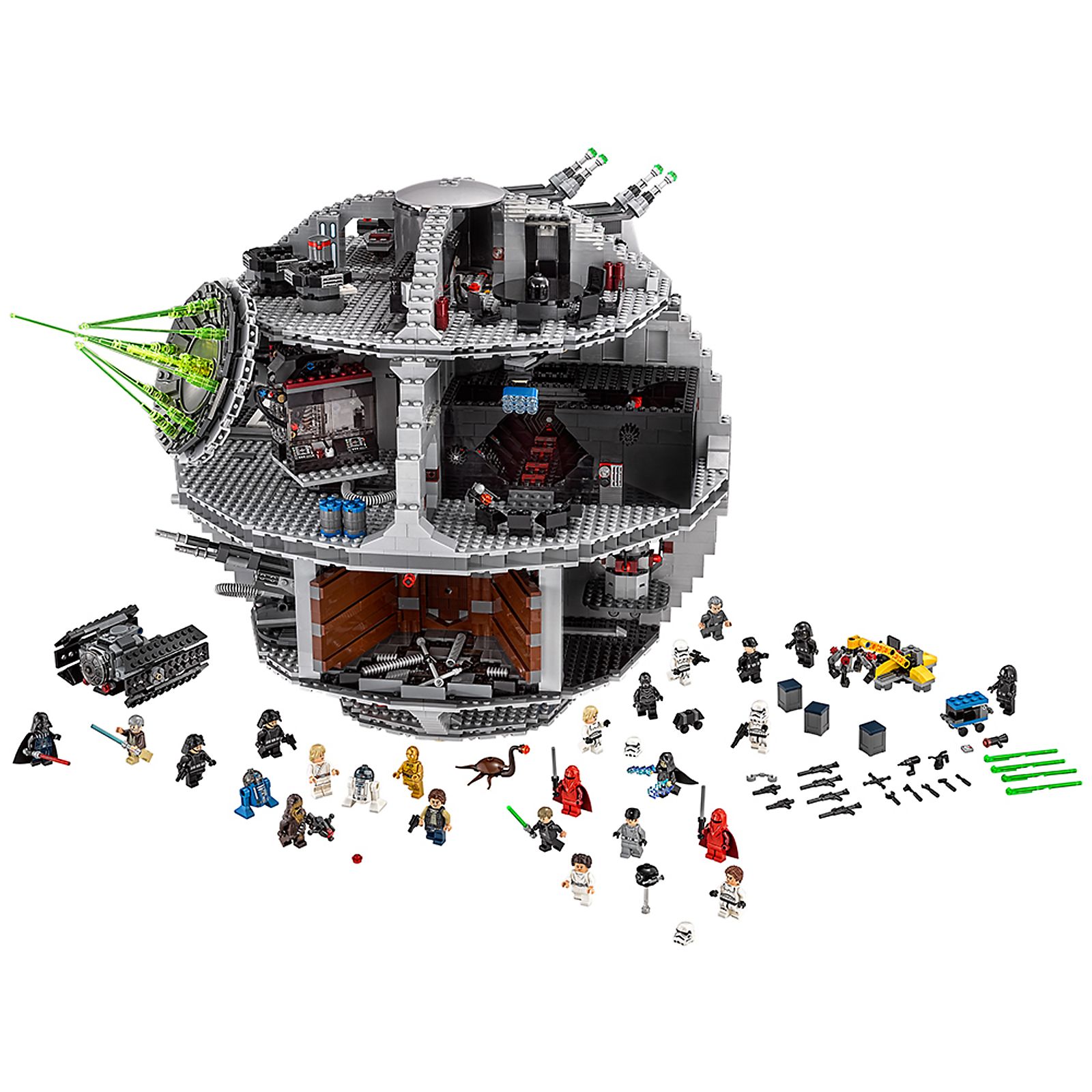
This is where the themes diverge sharply. LEGO releases a large volume of Star Wars sets every year, often several waves across price points. High output is good for choice but works against scarcity. Common battle packs and mid-tier sets are produced in huge quantities, so many of them appreciate modestly or barely track inflation after retirement. The premiums concentrate in the standout releases rather than being spread across the whole lineup.
Harry Potter has a smaller annual footprint. Fewer sets reach the market, and the flagship builds are relatively rare compared with the Star Wars flood. Lower supply can support stronger price growth on the right set because scarcity does part of the work. The trade-off is that a thinner catalog gives you fewer entry points, and a weak year can leave little worth holding. In short, Star Wars offers volume with selective winners, while Harry Potter offers scarcity with fewer but often sharper performers. If you are building a portfolio, this difference shapes your strategy: with Star Wars you filter aggressively, and with Harry Potter you concentrate on the few sets that matter.
Flagship Performers
The clearest way to compare the two themes as investments is to look at their proven flagships. Headline sets set the ceiling for what each theme can do, and both licenses have produced genuine trophy pieces.
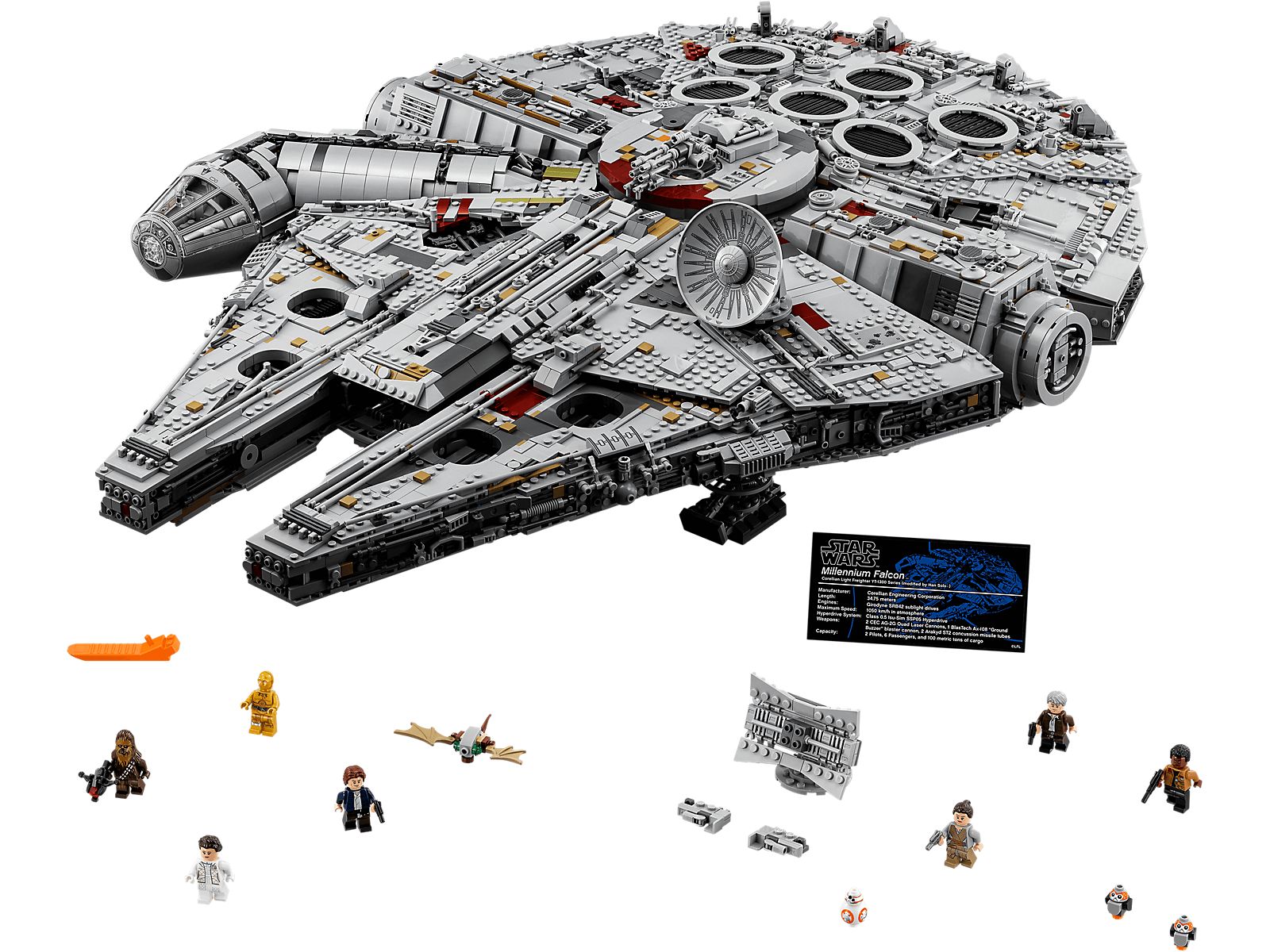
On the Star Wars side, the UCS Millennium Falcon (75192) is the benchmark. It is one of the largest and most recognizable LEGO sets ever made, and it has held a strong premium over its retail price, with typical resale often landing in a wide range above MSRP once fully retired. The Imperial Star Destroyer (75252) is another display heavyweight that has trended upward after leaving shelves, historically appreciating a meaningful double-digit to triple-digit percentage over time depending on condition and completeness. These are the kinds of sets that anchor a Star Wars collection and do the heavy lifting on returns.
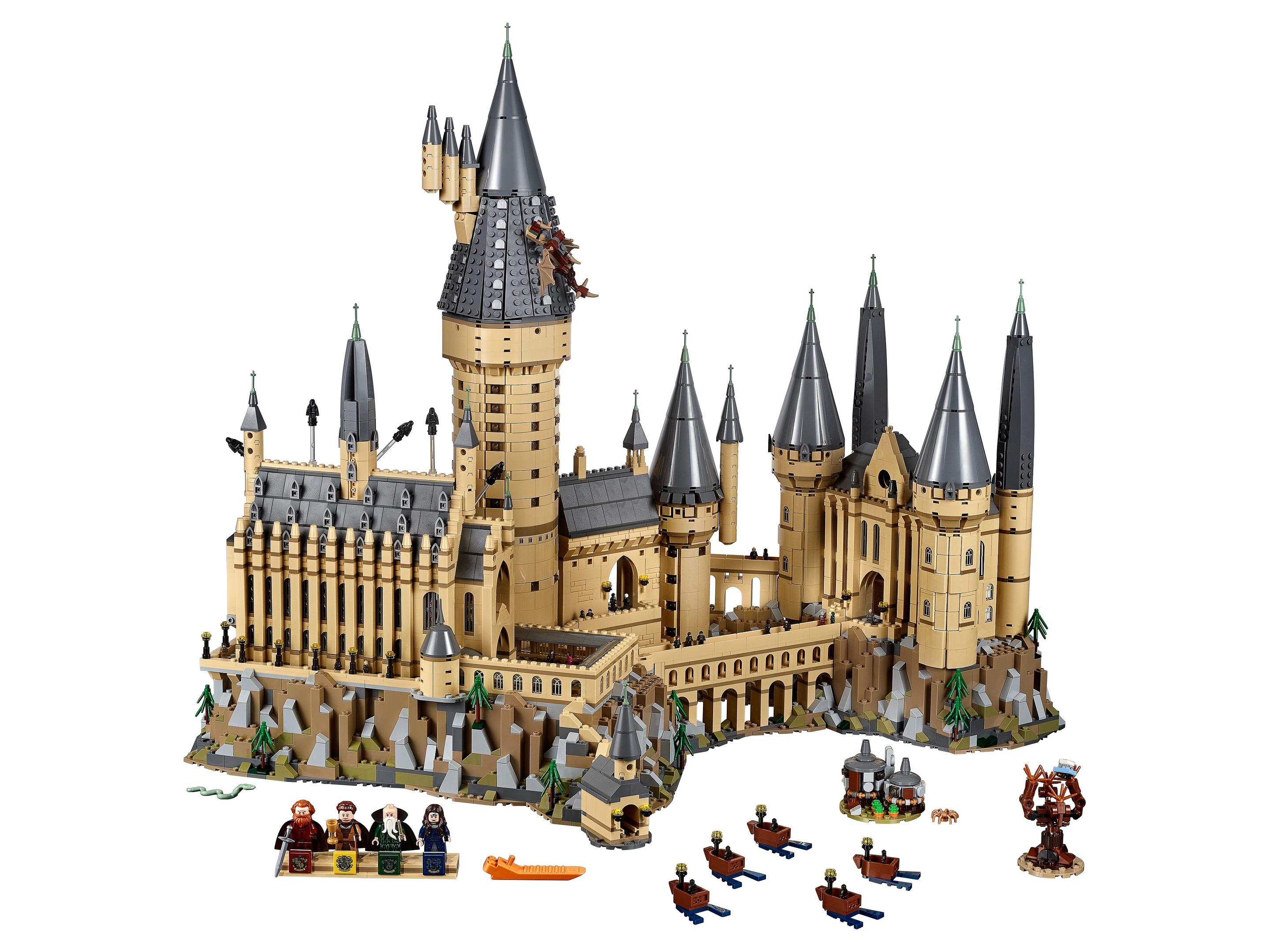
On the Harry Potter side, Hogwarts Castle (71043) is the crown jewel. As a massive microscale build with broad appeal, it has seen resale climb well above its original price after retirement, often in a range that rivals the big Star Wars display sets. Diagon Alley (75978) is the other standout, a modular-style street scene that combines display value with nostalgia and has shown solid post-retirement gains. These qualified ranges vary with sealed versus opened condition, box quality, and timing, but the pattern is clear: both themes produce headline sets capable of strong long-term appreciation. On a per-set basis, the best Harry Potter sets can go toe to toe with the best Star Wars sets.
Retirement Behavior
Retirement is the moment value is made or lost, and the two themes behave differently. Star Wars sets often see a slow climb because the initial supply is so large that it takes time for inventory to clear the market. The best performers eventually break out, but patience is usually required, and the very biggest sets like the UCS Falcon tend to reward holders who wait several years past retirement. Selling too early is one of the most common mistakes with Star Wars, because the steepest gains frequently come well after a set leaves shelves.
Harry Potter sets, with lower production, can tighten up faster after they leave shelves. The flagship castle and landmark builds sometimes show quicker premium growth because scarcity bites sooner. That said, the theme has fewer retirements to trade around, so opportunities are less frequent. If you want a steady stream of retiring candidates to track, Star Wars gives you more shots on goal. If you want fewer but potentially sharper post-retirement moves, Harry Potter can deliver on its top sets. Either way, tracking the retirement window is essential, because buying at retail just before a set retires is the single most reliable way to capture the upside.
Risks to Weigh
Neither theme is a guaranteed win, and each carries its own risks. The main Star Wars risk is oversupply. Because LEGO makes so many sets, most of them are common, and buying the wrong set means you hold something that never becomes scarce. Star Wars value is also tied to the health of the film and streaming pipeline, so franchise fatigue or a weak release slate can soften demand across the board. A quiet stretch with no major new content can cool the whole theme temporarily.
Harry Potter's biggest risk is concentration. With value clustered in a few flagships, a bad buy has fewer fallbacks, and the theme is more exposed to shifts in cultural sentiment around the franchise. Both themes share universal LEGO risks: reissues or updated versions can undercut an older set, condition matters enormously for premiums, and general market conditions affect how fast a set moves. The lesson is the same for both licenses. Set selection matters far more than theme selection, and you should verify a specific set's track record before buying rather than assuming any set from a hot theme will appreciate.
Verdict
If forced to pick one theme for holding value, Star Wars edges ahead on the strength of its larger fanbase, its deeper roster of proven flagships, and the sheer number of retiring sets to choose from. It offers more ways to win, provided you avoid the common oversupplied filler and focus on the standout builds. Harry Potter is a strong second and can outperform on a per-set basis thanks to scarcity, but its narrower catalog means fewer opportunities and more reliance on a small group of hero sets. The best real-world strategy is not to choose exclusively but to hold the top performers from both themes and skip the common sets entirely. A collector who owns a UCS Falcon and a Hogwarts Castle is far better positioned than one who owns a shelf of common battle packs from either license.
Because outcomes hinge on the individual set rather than the license, the smart move is to compare value by theme and by specific set before you buy. Tools like BrickGains let you look up a set's estimated value and retirement status so you are not guessing. You can check a set free to see where a given Star Wars or Harry Potter build stands before committing your money. Running both a Falcon and a Hogwarts Castle through BrickGains side by side is a fast way to see how the themes stack up on the exact sets you are considering, and it keeps your decisions grounded in data rather than hype.
Key Takeaways
- Star Wars has the larger, broader fanbase and more proven flagship sets, giving it the overall edge for holding value.
- Harry Potter is more concentrated, with scarcity that can drive sharper gains on its top sets like Hogwarts Castle (71043).
- Star Wars high output means most sets are common, so premiums cluster in standouts like the UCS Falcon (75192) and Star Destroyer (75252).
- Retirement rewards patience with Star Wars and can move faster with scarce Harry Potter flagships.
- Set selection matters more than theme selection, so verify a specific set's track record before buying.
- Use BrickGains to compare value by theme and check any set's estimate and retirement status before you invest.