LEGO vs Gold: Which Is the Better Investment?
If you have ever wondered whether those sealed LEGO boxes stacked in your closet could hold their value like a bar of precious metal, you are asking a fair question. The lego vs gold investment debate has grown as more people look past stocks and bonds toward alternative assets they can actually hold in their hands. Both LEGO sets and gold appeal to the same instinct: own something physical, something scarce, something that might quietly appreciate while sitting on a shelf. But they behave very differently as investments, and the honest answer to which one wins depends on what you want out of the money you put in.
This comparison walks through the factors that matter most for anyone weighing these two options: historical returns, liquidity, storage, risk, entry cost, and the enjoyment you get along the way. The goal is not to hype LEGO or dismiss gold, but to give you a balanced, realistic picture so you can decide which fits your situation.
Historical Returns: What the Numbers Suggest
Gold has a very long track record as a store of value. Over long periods, it has tended to roughly keep pace with inflation and occasionally spike during times of economic stress or currency weakness. It is not a growth engine in the way stocks are, but it has historically preserved purchasing power across decades and centuries. Annualized real returns on gold have often landed in a modest low single digit range once inflation is accounted for, though there are long stretches where it moves sideways or drops.
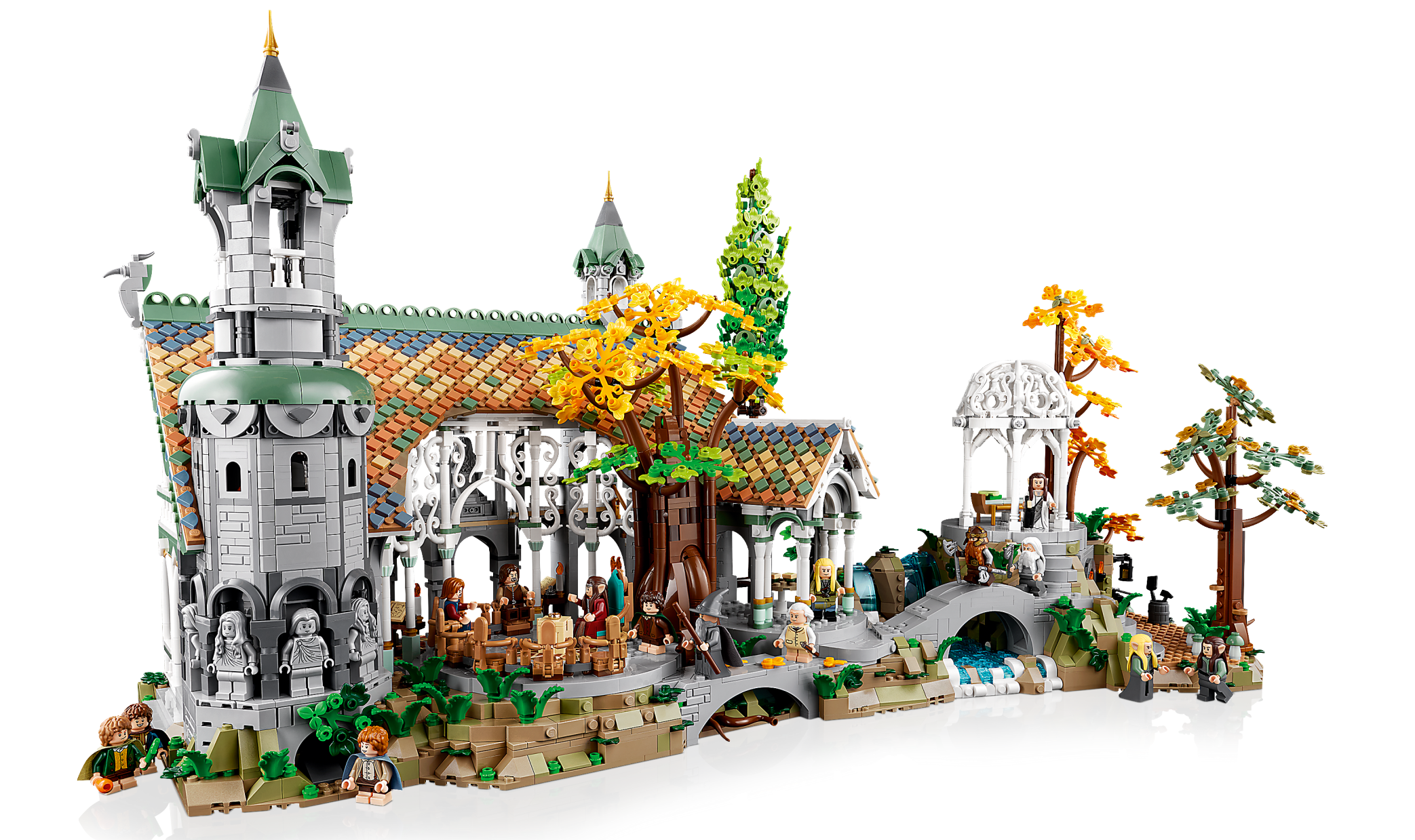
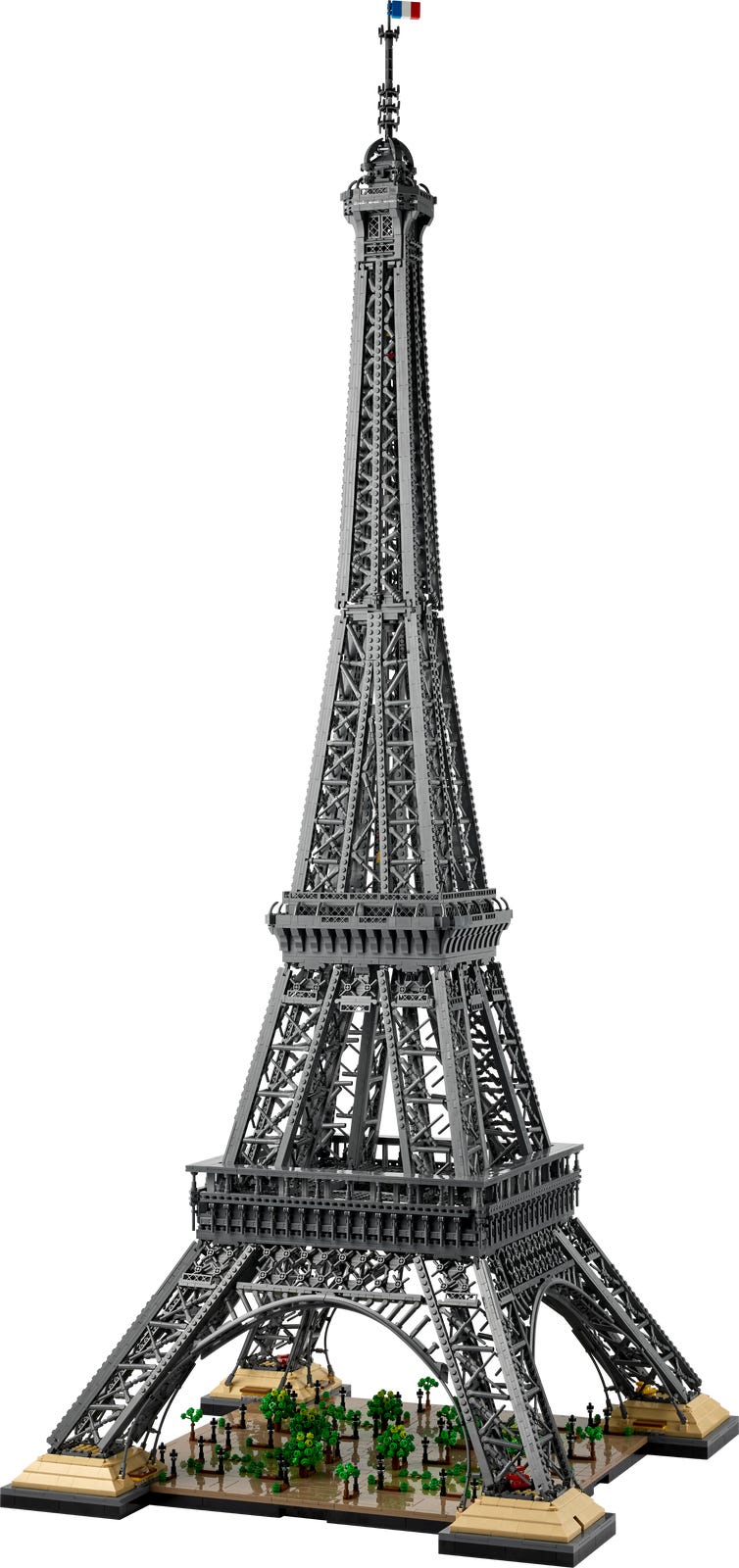
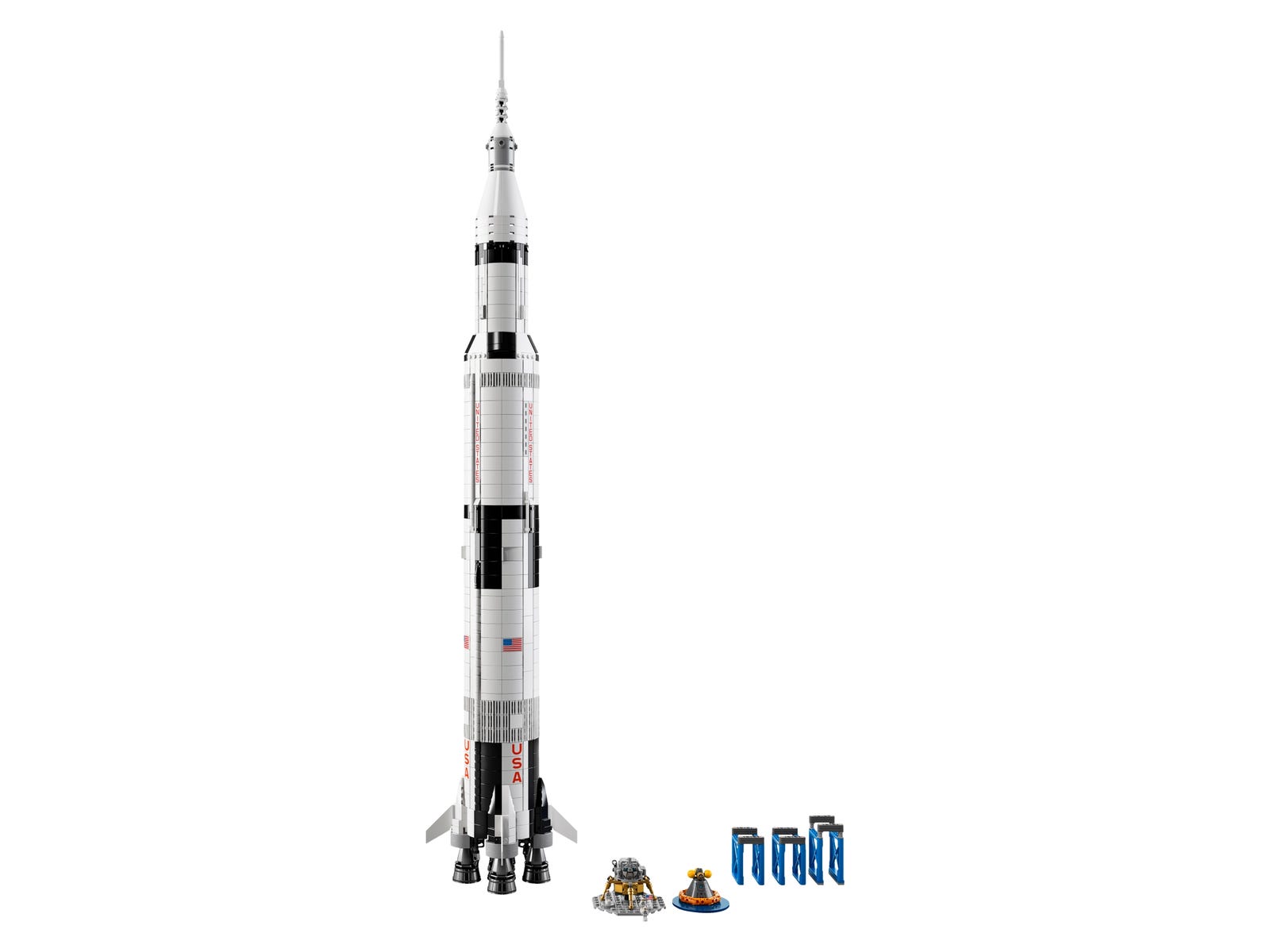
Retired LEGO sets tell a more surprising story. Several academic studies and secondary market analyses have found that certain discontinued sets appreciated at annualized rates that, in favorable cases, exceeded those of gold and even some traditional financial assets over comparable windows. The often cited ranges for strong retired sets fall somewhere in the high single digits to low double digits annually, though these figures come with heavy caveats. Those numbers reflect the winners, not the average box. Plenty of sets barely beat retail price or lose value once you account for the time and effort of selling them.
The important nuance is selection. Gold is a single, uniform commodity, so its return is its return. LEGO is thousands of different products, and only a subset of them appreciate meaningfully. Licensed themes, iconic models, large flagship sets, and limited releases tend to do best after they retire, while common sets rarely become valuable. So while retired LEGO has sometimes outperformed gold, that outperformance is concentrated and requires you to pick the right sets and hold them sealed for years.
Liquidity: How Fast Can You Turn It Into Cash?
Gold wins clearly on liquidity. You can sell gold coins or bars to dealers, exchanges, or through gold backed funds almost instantly, and pricing is transparent because there is a widely quoted global spot price. The spread between what you buy and sell at exists, but the market is deep and standardized.
LEGO is far less liquid. To realize the value of a set, you usually need to list it on a marketplace, wait for a buyer, negotiate, package it, and ship it. Fees from selling platforms and shipping costs eat into your return. In a pinch, you can sell to a reseller for a quick exit, but you will typically accept a lower price for that convenience. If you need cash fast, a stack of LEGO is not the asset you want to be holding.
Storage and Maintenance
Gold is dense and compact. A significant amount of value fits in a small space, and it does not degrade. It does not fade, rot, or get damaged by humidity in any practical sense. The main storage concern is security, and many people use a safe or a paid vault or safe deposit box.
LEGO is the opposite when it comes to space. Sealed sets are bulky, and a serious collection can fill closets, shelves, or a dedicated room. Condition is critical for value, which means you have to protect boxes from sunlight, crushing, moisture, dust, and pets. A creased or damaged box can lose a meaningful slice of its resale value. So while LEGO does not corrode like some materials, it demands careful physical handling that gold simply does not.
Risk Profile
Gold carries market risk tied to macroeconomic forces, interest rates, and currency movements. Its price can stagnate for years, and it produces no income while you hold it. But the risk of a total loss is essentially zero because gold is a globally recognized asset with intrinsic demand.
LEGO carries a different mix of risks. There is demand risk, since a theme can fall out of popularity. There is condition risk, since damage lowers value. There is the risk that a set gets re released or that demand you expected never materializes. There is also counterfeiting and authenticity concern in the resale market. On the other hand, LEGO value is not correlated with the stock market or currency swings in the same way, which some collectors like as a form of diversification. The trade off is that LEGO risk is more specific and more dependent on your own selection skill, whereas gold risk is broad and macro driven.
Entry Cost and Accessibility
Gold is scalable at almost any budget. You can buy a small fractional coin or a share of a gold fund for a modest amount, or you can buy large bars if you have significant capital. This flexibility makes it easy to start small and add over time.
LEGO has a lower typical entry point per item, since many collectible sets retail somewhere in the range of tens to a few hundred dollars, with flagship sets running higher. That accessibility is appealing, but building a portfolio that could rival gold in value means buying many sets, which adds up in both cost and storage. You also front the full retail price and then wait years, sometimes a long time, before retirement and appreciation may kick in.
The Enjoyment Factor
This is where LEGO pulls ahead in a way gold never can. A gold bar is inert. It sits in a safe and does nothing for you emotionally. LEGO, by contrast, is a hobby you can genuinely love. Even sets you keep sealed connect to themes, characters, and childhood memories, and the ones you choose to build deliver hours of enjoyment. For many collectors, the potential appreciation is a bonus layered on top of a hobby they would pursue anyway. That psychological return has real value, even if it does not show up on a balance sheet.
Of course, enjoyment can cut against discipline. It is easy to overpay, to keep sets you love rather than sell at the right time, or to let emotion override strategy. Treating LEGO purely as an investment requires you to be more clinical than the average fan. This is exactly why tracking matters. With BrickGains, you can treat your collection like a real portfolio, monitoring what you paid, what your sets are worth now, and how your holdings are trending over time.
Who Each Investment Suits
Gold suits the investor who wants a stable, liquid, low maintenance hedge and who values the ability to sell quickly and store value in a small space. It fits people who want diversification against inflation and currency risk without spending time managing individual items. It is a set it and forget it asset for a portion of a broader portfolio.
LEGO suits the person who already enjoys the hobby and wants the possibility of returns as a side benefit, or the hands on collector willing to research themes, buy selectively, store carefully, and hold patiently for years. It rewards knowledge, effort, and a genuine interest in the product. If you have no interest in LEGO itself and only care about pure financial efficiency, gold is the more straightforward choice.
For many people, the smartest answer is not either or. A modest allocation to gold for stability paired with a curated LEGO collection you actually enjoy can give you both a hedge and a hobby. If you go the LEGO route, keep it organized and data driven. You can track your LEGO portfolio with BrickGains so your collection is managed with the same discipline you would apply to any other asset.
Key Takeaways
- Retired LEGO sets have sometimes outperformed gold, but that outperformance is concentrated in select sets and is far from guaranteed across the average collection.
- Gold is far more liquid, with instant selling and transparent global pricing, while LEGO requires listing, waiting, and paying marketplace and shipping fees.
- Gold stores compactly and does not degrade, while LEGO is bulky and highly sensitive to box condition.
- Gold risk is broad and macro driven, while LEGO risk is specific to themes, demand, and your own selection skill.
- LEGO offers a real enjoyment factor and diversification away from financial markets, which gold cannot match.
- Gold suits hands off, liquidity focused investors, while LEGO suits engaged hobbyists willing to research, store, and hold for the long term.
- A blended approach can give you both a stable hedge and a hobby you love, and tracking your sets like a portfolio keeps the LEGO side disciplined.