Most Valuable LEGO Sets of All Time (Ranked)
If you have ever wondered which sets could turn a dusty closet into a small fortune, you are looking for the most valuable LEGO sets of all time. LEGO has quietly become one of the strongest passion assets of the last two decades, and a handful of retired sets now trade for many times their original retail price. Below is an honest, expert ranking of the most valuable LEGO sets, why each one commands a premium, and roughly how its value has moved over time. Values are given as qualified ranges because the real number depends heavily on condition, whether the box is sealed, and where you sell. For a live figure on any specific set, you can always check any set's value free.
A quick note on how value works before we rank. Sealed and mint-in-box (MISB) copies command the highest prices. Used but complete sets with the box and instructions sit in the middle. Loose, incomplete sets are worth a fraction of the headline numbers you see quoted. Keep that in mind as you read the ranges below. It is also worth remembering that "value" is not one fixed number. The same set can carry three or four very different prices at the same moment depending on whether you are looking at a completed eBay sale, a BrickLink store listing, or an optimistic asking price that never actually sold. Throughout this ranking, the figures reflect roughly where sealed or near-mint copies have realistically changed hands, not the highest number anyone has ever asked.
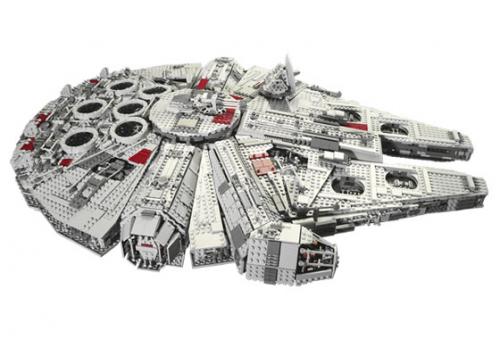
1. Ultimate Collector's Millennium Falcon (10179 and 75192)
No conversation about the most valuable LEGO sets is complete without the Millennium Falcon. The original 2007 UCS Falcon (10179) retailed around 500 dollars and, sealed, has traded well into the low thousands for years, making it one of the most reliable blue-chip LEGO investments ever produced. The 2017 successor (75192) is even bigger at over 7,500 pieces. While 75192 was still available at retail more recently, retired sealed copies already trade above their original 800 dollar price. The Falcon is valuable because it is the definitive centerpiece of the most collectible LEGO theme on earth, and demand has never softened.
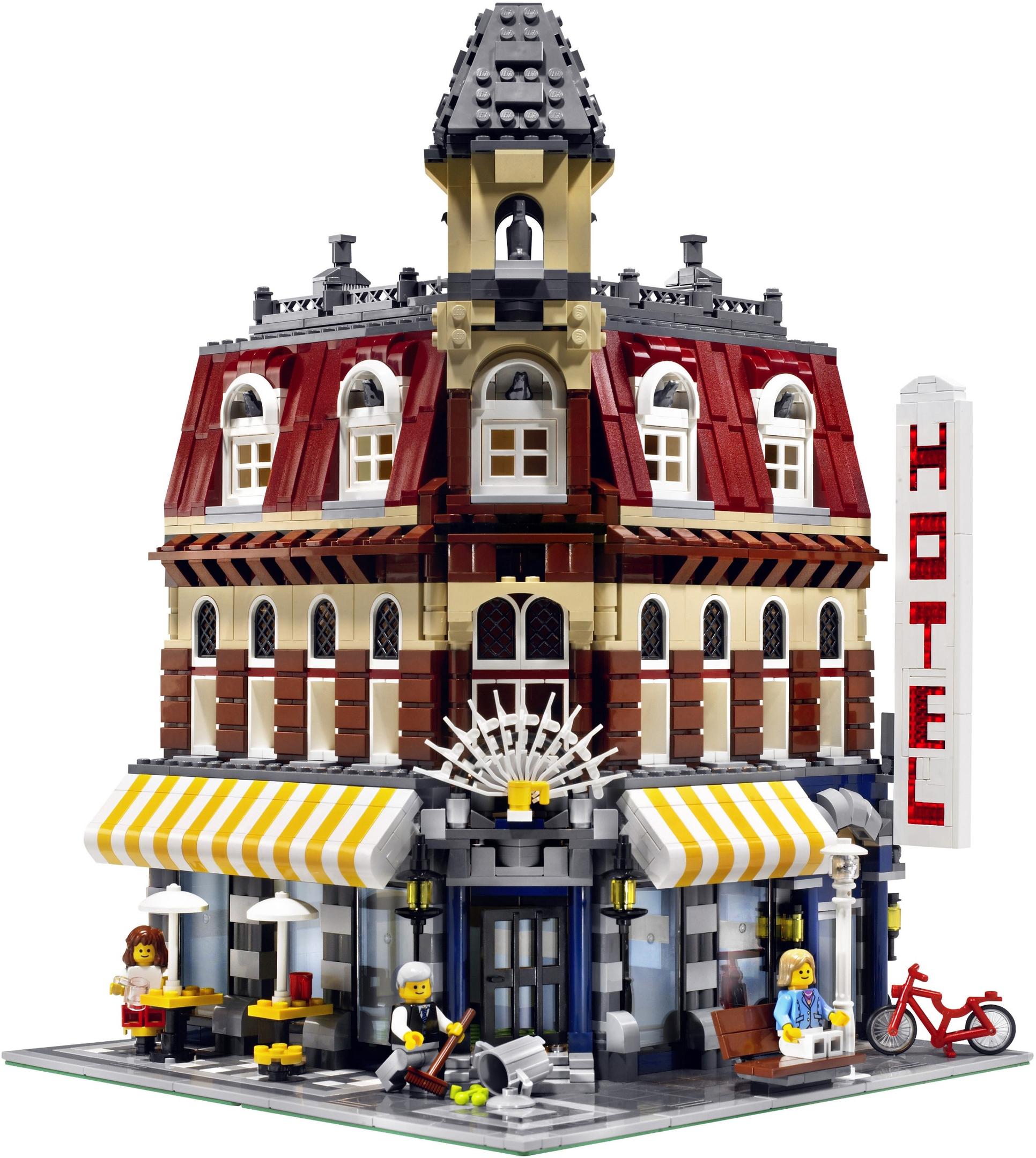
2. Cafe Corner (10182)
Cafe Corner launched the beloved Modular Buildings series in 2007 at roughly 140 dollars. Because it was the first modular and the line developed a passionate following only after it was gone, sealed copies now routinely reach the high hundreds to well over a thousand dollars. Its value trajectory is one of the steepest in the hobby, climbing steadily year after year. Cafe Corner is the set collectors point to when they explain why buying a modular at retail and holding it can pay off.
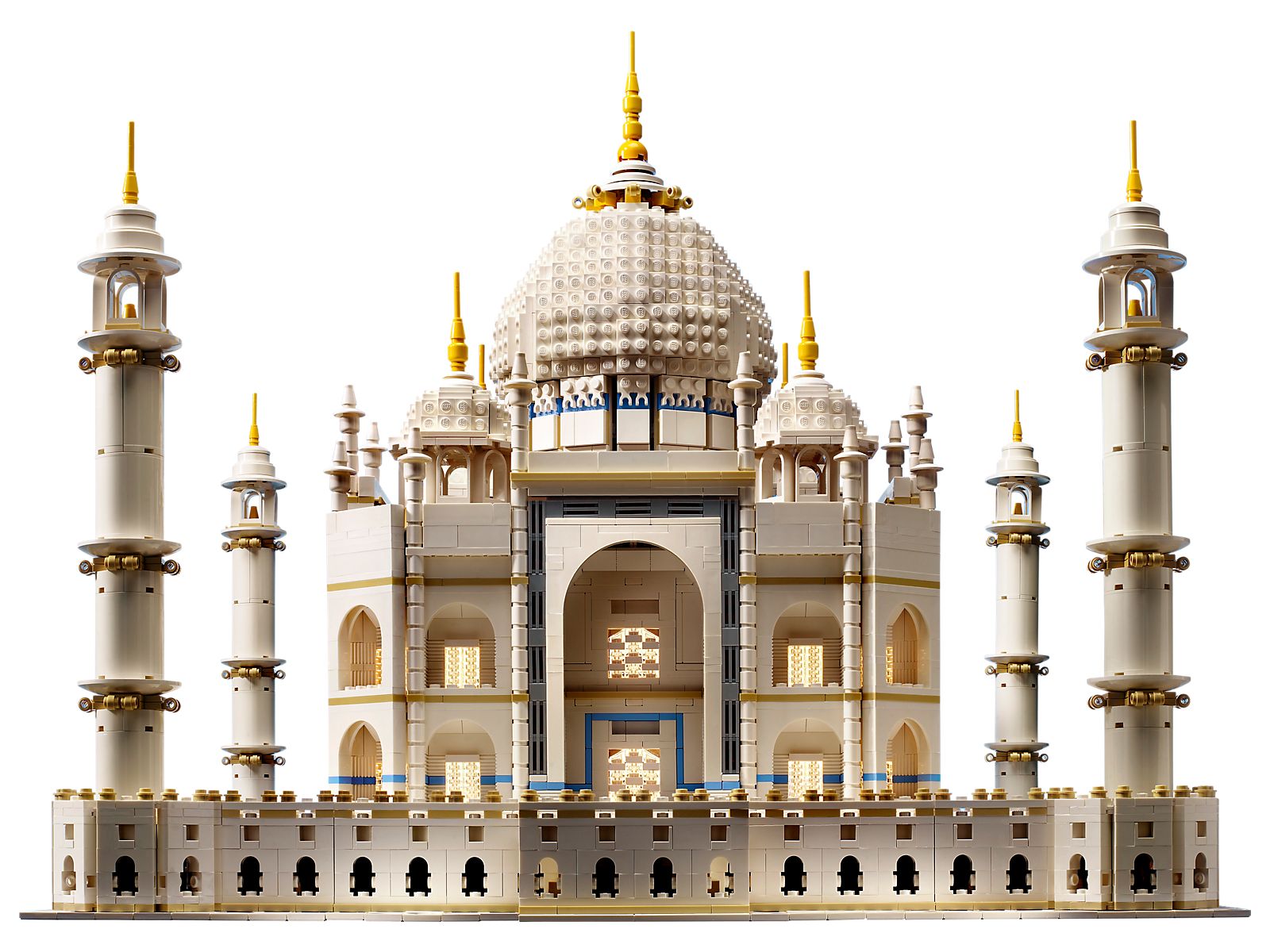
3. Taj Mahal (10189 and 10256)
The original 2008 Taj Mahal (10189) was, at the time, one of the largest LEGO sets ever made at nearly 5,900 pieces, retailing around 300 dollars. Sealed originals have climbed into the four-figure range. LEGO re-released it in 2017 as 10256, which softened prices for the first edition somewhat but did not erase the premium. The Taj Mahal is valuable for its sheer scale, its display presence, and its status as an early "grail" set for adult builders.
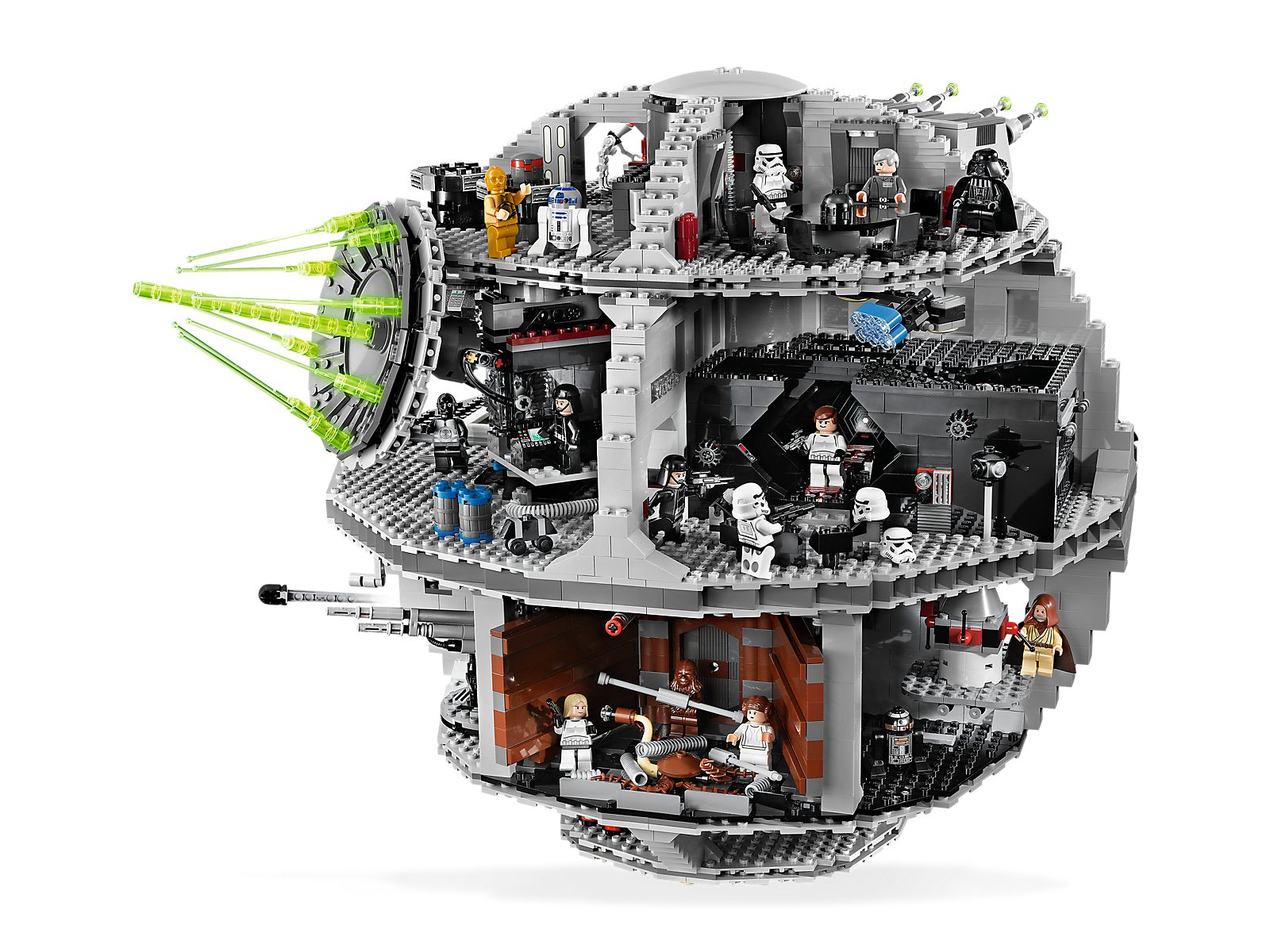
4. Death Star (10188 and 75159)
The Star Wars Death Star (10188, released 2008) packed dozens of minifigures and detailed play scenes into a massive sphere, retailing around 400 dollars. It ran for years, then retired and jumped in value, with sealed copies reaching well over a thousand dollars before the 2016 re-release (75159) moderated the market. It remains valuable because it combines an iconic build with an unusually deep minifigure roster, which drives demand from both display collectors and minifigure hunters.
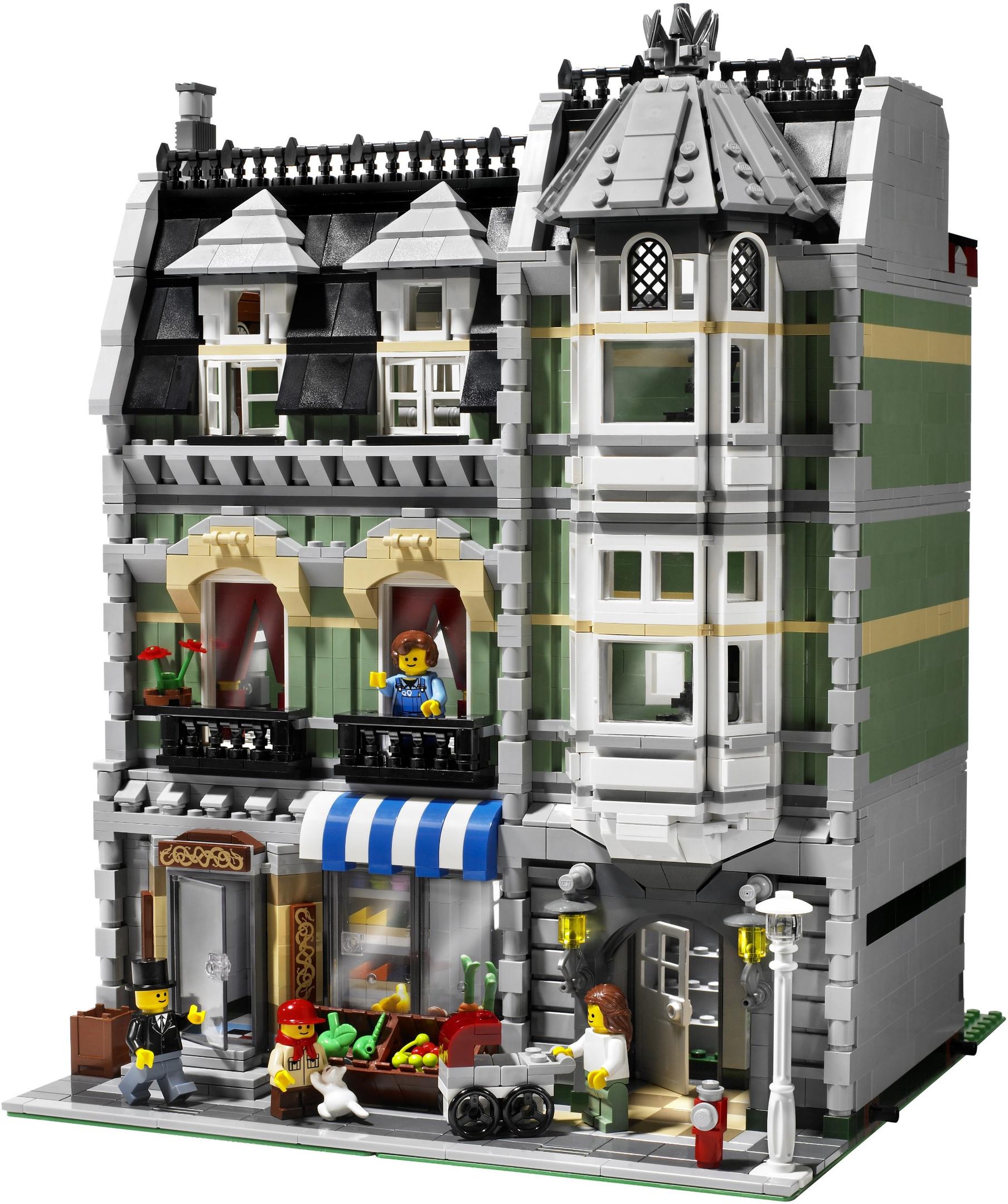
5. Green Grocer (10185)
Green Grocer, the third Modular Building from 2008, is another cornerstone of the series and retailed around 150 dollars. Like Cafe Corner, its early retirement and the growing modular fanbase pushed sealed prices into the high hundreds and beyond. Green Grocer is prized for its distinctive lime-green facade and its role in completing an early modular street, which makes complete copies especially sought after.
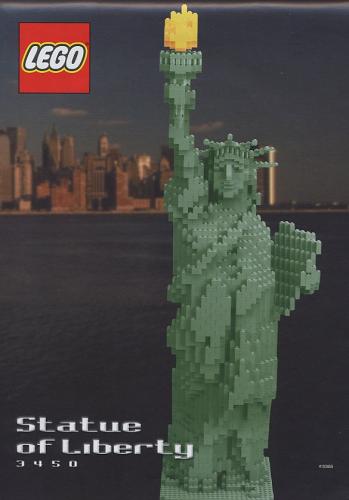
6. Statue of Liberty (3450)
The 2000 Statue of Liberty (3450) is a genuine vintage grail. Retailing under 200 dollars, this monochrome sand-green sculpture is scarce today, and sealed examples can command well over a thousand dollars. Its value comes from age, low surviving supply, and the fact that it was an early attempt at a large sculptural LEGO landmark. Condition matters enormously here because the box and its sheer age make pristine copies rare.
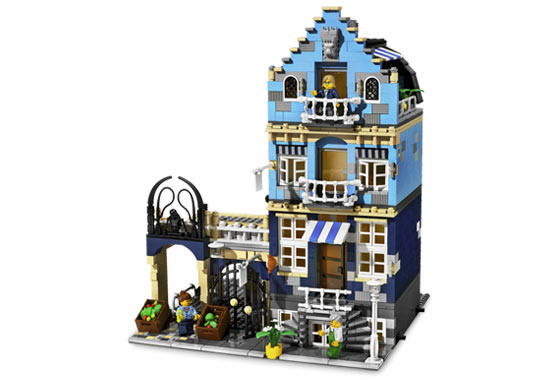
7. Market Street (10190)
Market Street (10190) is a curiosity in the modular story. Released in 2007 under the Factory sub-theme rather than the main Creator Expert line, it had a limited run and low production, which makes it one of the rarest modular-compatible sets. Sealed copies have reached into four figures. Collectors chasing a complete modular row need it, and the thin supply does the rest.
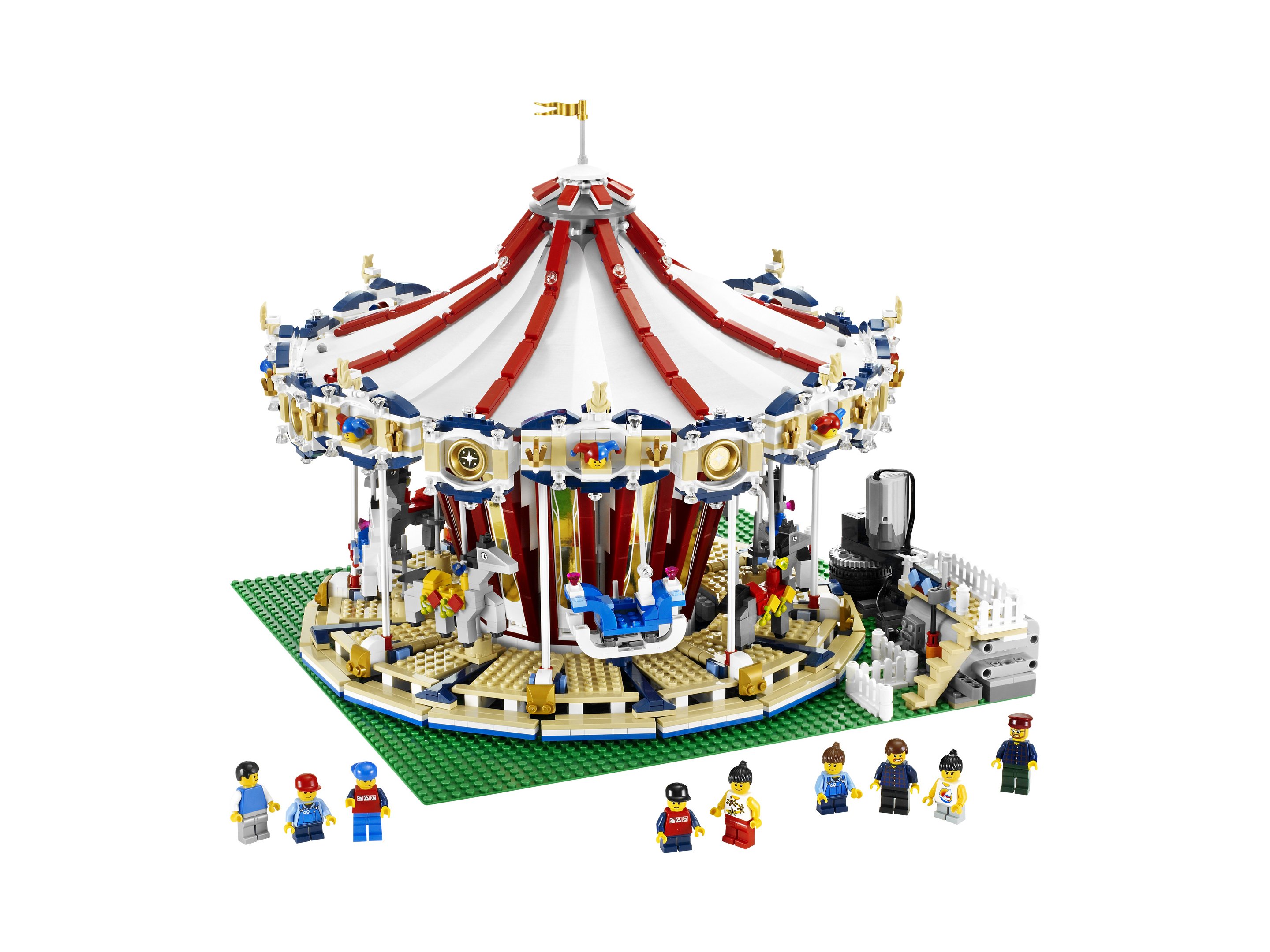
8. Grand Carousel (10196)
The 2009 Grand Carousel (10196) is a large, motorized fairground set that retailed around 250 dollars. Because motorized display pieces of this scale are uncommon and the set retired without a direct replacement for years, sealed prices climbed into the high hundreds to over a thousand dollars. It is valuable for its mechanical play feature, its size, and its appeal to fairground collectors who prize completeness.
9. Imperial Star Destroyer (10030)
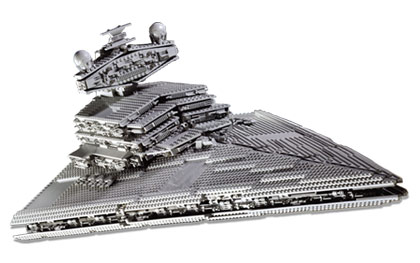
The original UCS Imperial Star Destroyer (10030) from 2002 was a giant of its era at over 3,000 pieces. As one of the earliest Ultimate Collector Series ships, sealed copies are scarce and can reach four figures. Its value rests on vintage status, its place in UCS history, and the enduring pull of large Star Wars display models.
10. Eiffel Tower (10181 and 10307)
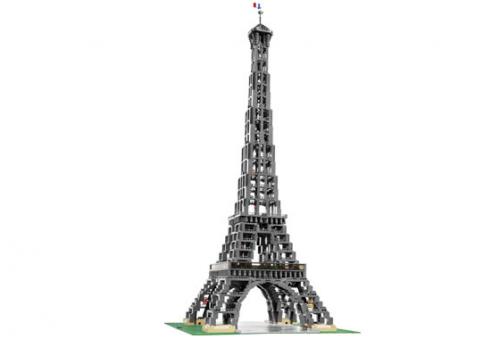
The 2007 Eiffel Tower (10181) stood over a meter tall and retailed around 200 dollars. As a landmark display piece that stayed retired for a long time, sealed copies pushed into four figures. LEGO released a new Eiffel Tower (10307) in 2022, which took some pressure off the original, but pristine first editions still carry a strong premium thanks to their height, presence, and collector nostalgia.
11. Star Wars Cloud City (10123)
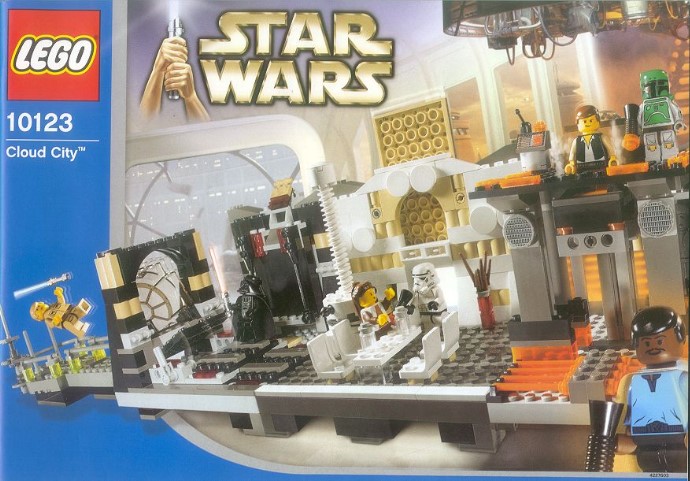
Cloud City (10123) from 2003 is a legend among Star Wars collectors, partly because it is the only set to include the ultra-rare Bespin Luke and other hard-to-find minifigures. Even used and incomplete, it commands strong prices, and complete or sealed copies can reach several thousand dollars. Its value is driven almost entirely by minifigure rarity, which is a reminder that sometimes the parts are worth more than the build.
12. Mr. Gold (Collectible Minifigure)
Technically a minifigure rather than a set, Mr. Gold earns a place here because he shows how scarcity distorts value. Only 5,000 of these solid-gold-colored figures were released in 2013 as a hidden chase figure. Sealed examples have sold for well over a thousand dollars, and sometimes far more. He is the clearest example in the hobby of deliberate scarcity creating an outsized secondary market.
What actually drives LEGO value
Across every set on this list, the same forces repeat. Retirement is the trigger, since a set can only appreciate once it stops being restocked. Theme matters, and Star Wars and Modular Buildings dominate the top tier. Piece count and display size help, but scarcity and minifigure rarity often matter more. Finally, condition is decisive, because a sealed box can be worth several times a loose, complete copy of the same set. If you are holding sets you suspect are climbing, it pays to watch prices rather than guess. BrickGains pulls live BrickLink data so you can see where each set actually trades today and get alerts when a set retires or a price moves. You can track your collection and follow its ROI over time.
Should you buy a valuable LEGO set today?
Here is the honest answer most guides skip. Almost every set on this list already appreciated, which means you are paying tomorrow's price today if you buy one now. The real money in LEGO is made by buying sets at retail shortly before they retire, then holding them sealed for years. That is a very different game from paying four figures for a Cafe Corner that has already climbed. If your goal is display and enjoyment, buying a grail set at market price is perfectly reasonable. If your goal is return, focus your energy on current or recently retired sets in the same proven categories, namely large Star Wars UCS models, Modular Buildings, and standout Icons landmarks. Study how the sets above behaved, then apply that pattern to what is on shelves now.
Whatever your plan, do not buy or sell on a headline number. Prices move month to month, condition changes everything, and the marketplace you choose can swing the outcome by hundreds of dollars. Pull real, current data before you act. That is exactly what BrickGains is built for, and it takes seconds to look up any set.
Key takeaways
- The most valuable LEGO sets are overwhelmingly retired Star Wars and Modular Building sets, led by the UCS Millennium Falcon, Cafe Corner, and the Taj Mahal.
- Retirement is the main trigger for appreciation. A set rarely climbs in value while it is still on shelves.
- Condition is everything. Sealed, mint-in-box copies can be worth several times a loose or incomplete version of the same set.
- Sometimes the minifigures carry the value, as with Cloud City and Mr. Gold, rather than the build itself.
- Re-releases like the 2017 Taj Mahal and 2022 Eiffel Tower can soften first-edition prices without erasing the premium.
- Because condition, box status, and marketplace all move the number, use live pricing tools like BrickGains to check real values before you buy, hold, or sell.