Top 10 Retired LEGO Sets That Skyrocketed in Value
Some retired LEGO sets that went up in value have turned quiet plastic bricks into one of the more surprising alternative assets of the past two decades. When a set leaves shelves for good, official supply stops while demand keeps climbing, and clean sealed copies can appreciate faster than many people expect. Below are ten retired LEGO sets that skyrocketed in value, ranked roughly by how dramatic their climb has been. Every figure here is a qualified range based on typical secondary-market listings for sealed sets, since real prices swing with condition, box quality, and timing. Treat these as directional guides, not guarantees, and always verify a set's current market before buying or selling.
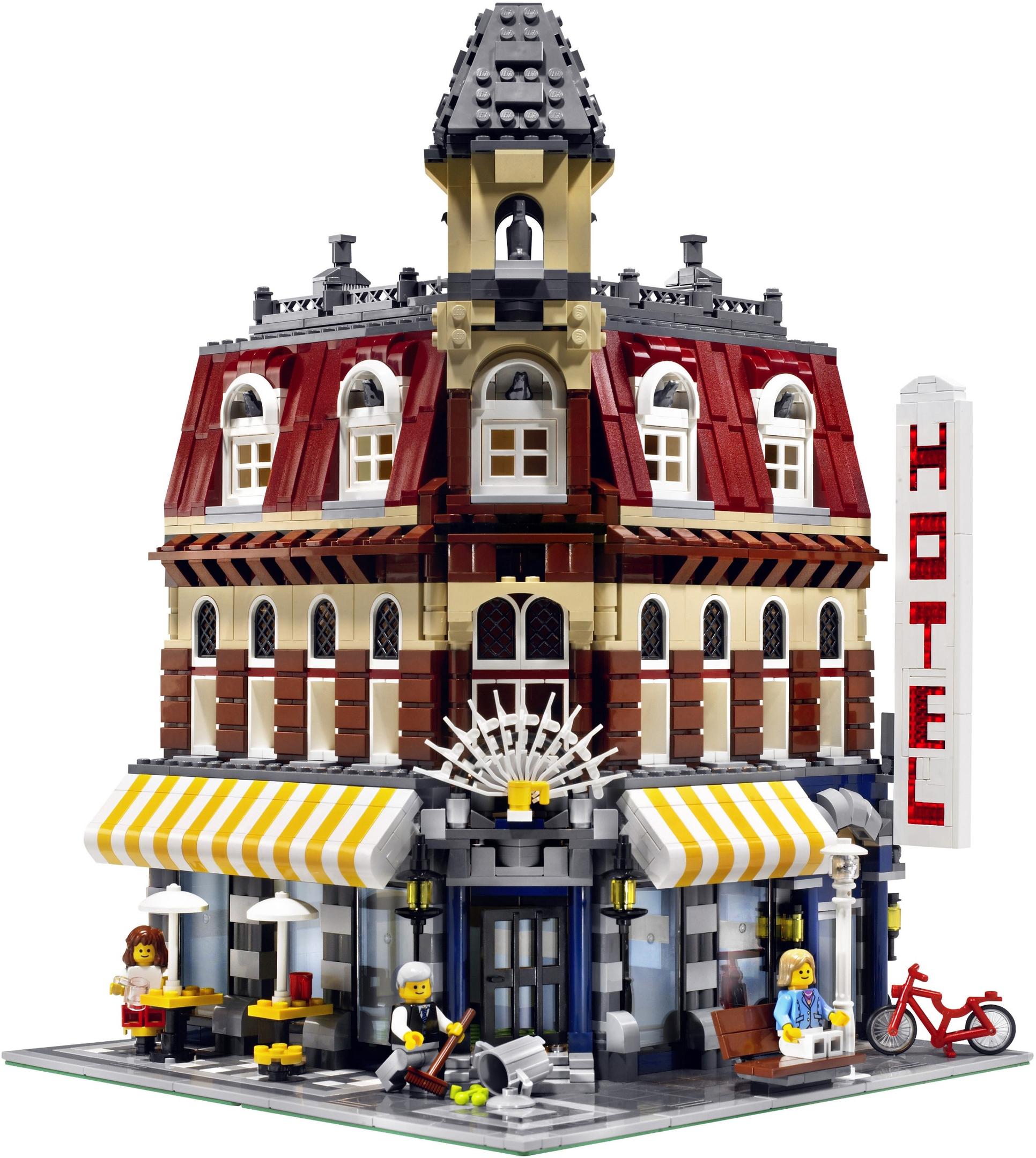
1. Cafe Corner (10182)
Cafe Corner is the set that launched the entire Modular Buildings line in 2007, and it remains the poster child for retired LEGO sets that went up in value. It retailed for roughly $140 and now trades sealed in the four-figure range, often around $2,000 to $3,000 depending on box condition. Why did it rise so hard? It was the first of its kind, print runs were smaller than today's blockbusters, and collectors chasing a complete modular street will pay a premium to fill the earliest gap. Even used and complete copies command strong money. The broader lesson is that being first in a beloved, long-running line creates a scarcity that later releases rarely match, and early buyers who kept their boxes sealed were rewarded many times over.
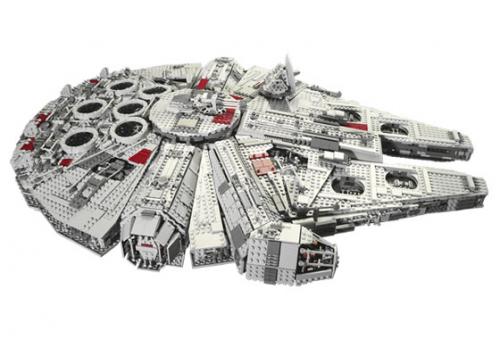
2. UCS Millennium Falcon (10179)
The original Ultimate Collector Series Millennium Falcon is arguably the most iconic grail in the hobby. Released in 2007 at around $500 with roughly 5,195 pieces, it now sells sealed in the $4,000 to $6,000 range, and pristine examples have gone higher. Its sheer size, low production numbers for its era, and status as the definitive Falcon before the 2017 successor all fuel demand. This is a set where the retail-to-current spread is measured in thousands of dollars, which is why it headlines so many appreciation lists. Because it was expensive and bulky when new, relatively few buyers left theirs sealed, which only tightened the supply of mint copies over time.
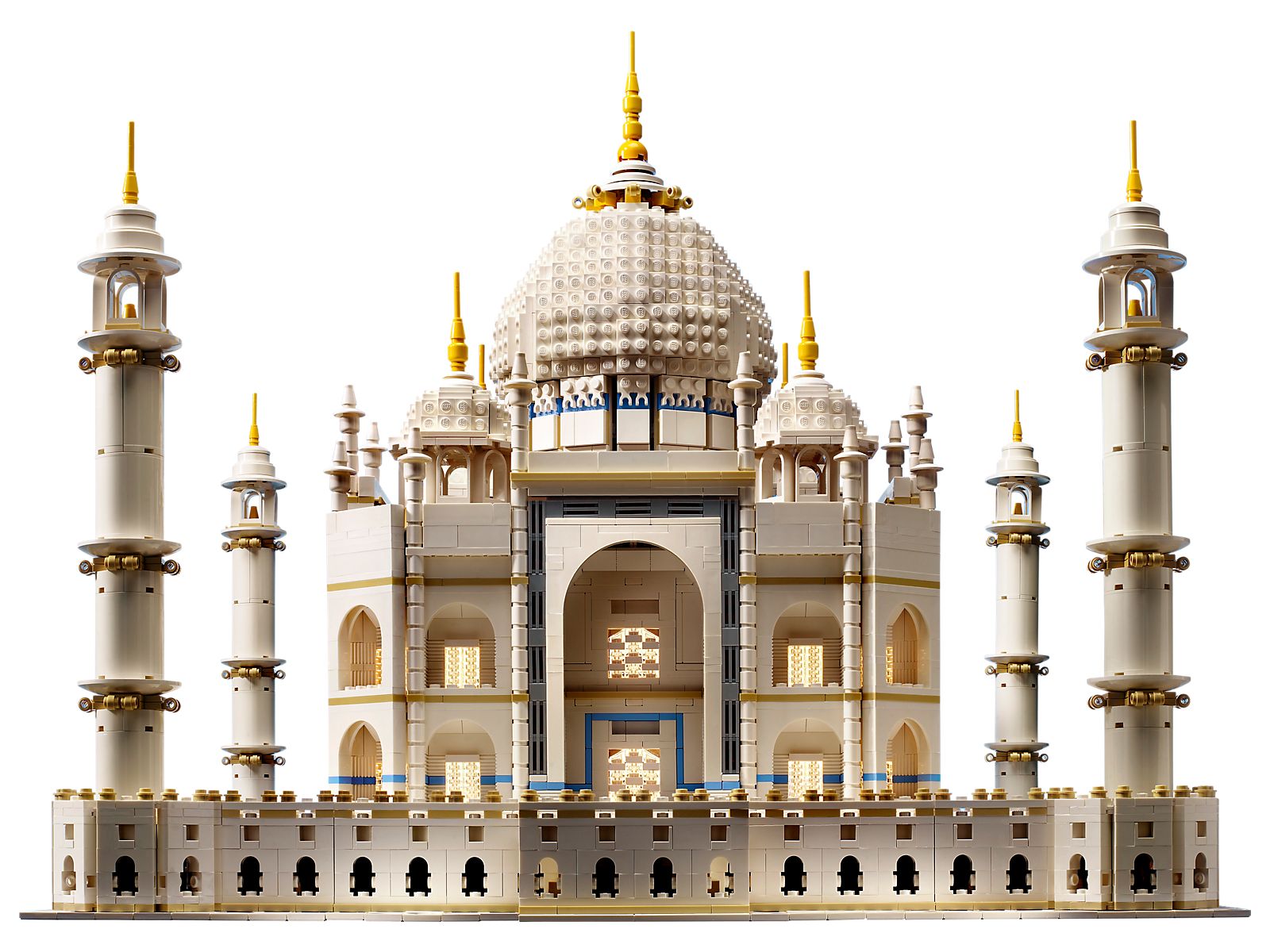
3. Taj Mahal (10189)
The 2008 Taj Mahal packed around 5,900 pieces and retailed near $300. Sealed copies now commonly change hands in the $1,500 to $2,500 range. A later 2017 reissue (set 10256) briefly cooled the original's climb, but the first edition held collector cachet and kept appreciating. Its appeal is simple: enormous piece count, a recognizable landmark, and the prestige of owning the original run rather than the reprint. For value hunters, the Taj Mahal is a useful case study in how a reissue affects an original. The reprint served new builders, while the first edition kept its status as the more collectible version.
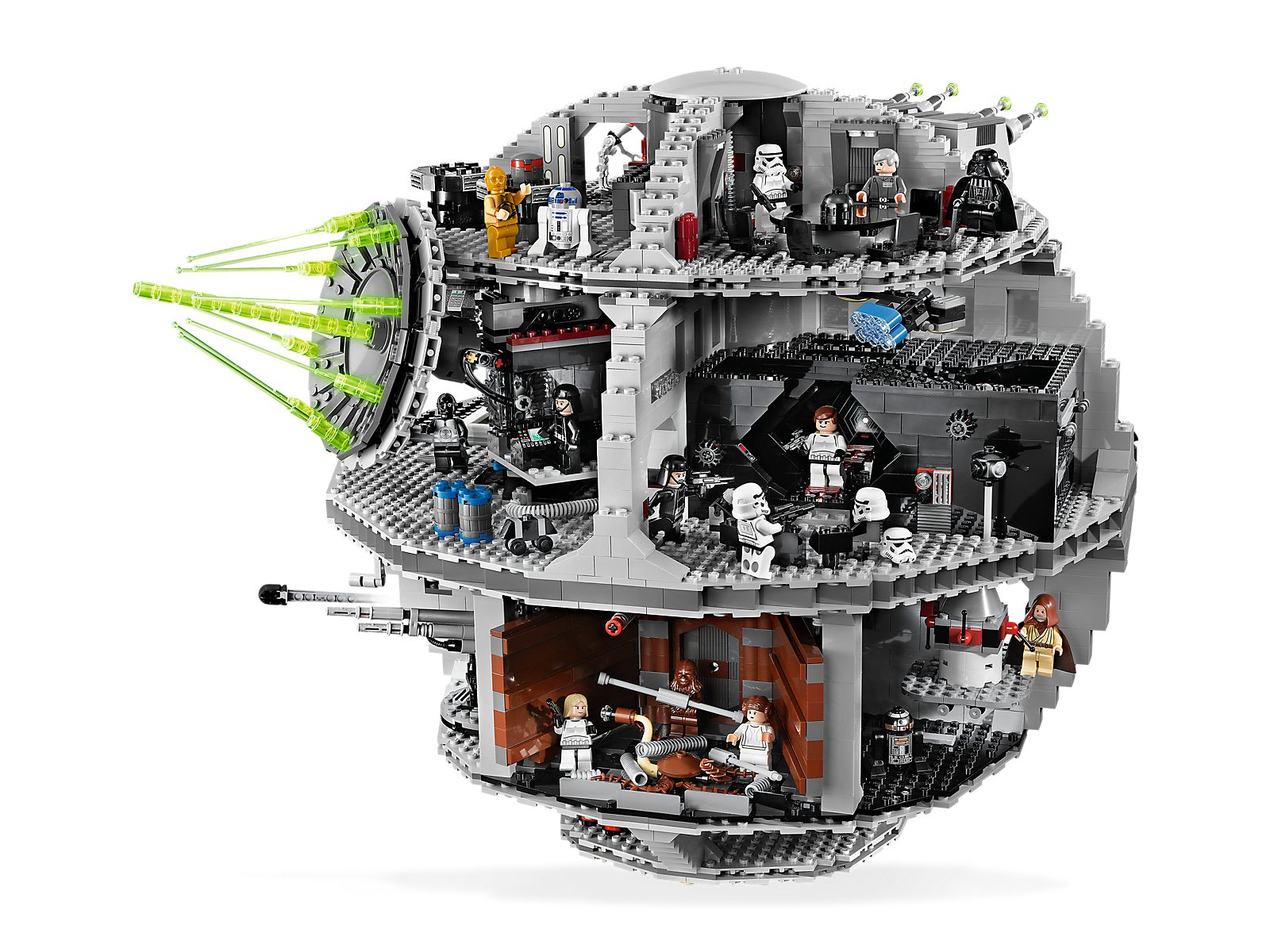
4. Death Star (10188)
The 2008 Death Star playset became a fan favorite thanks to its dozens of minifigures and packed interior scenes. It retailed around $400 and, after retiring, climbed into the $700 to $1,200 range for sealed copies before a refreshed version arrived. The mix of playability and display value gave it broad appeal, and the large minifigure roster meant even parted-out sets held value. It is a strong example of a Star Wars set that rose steadily rather than explosively, proving that consistent long-term demand can be just as rewarding as a sudden spike.
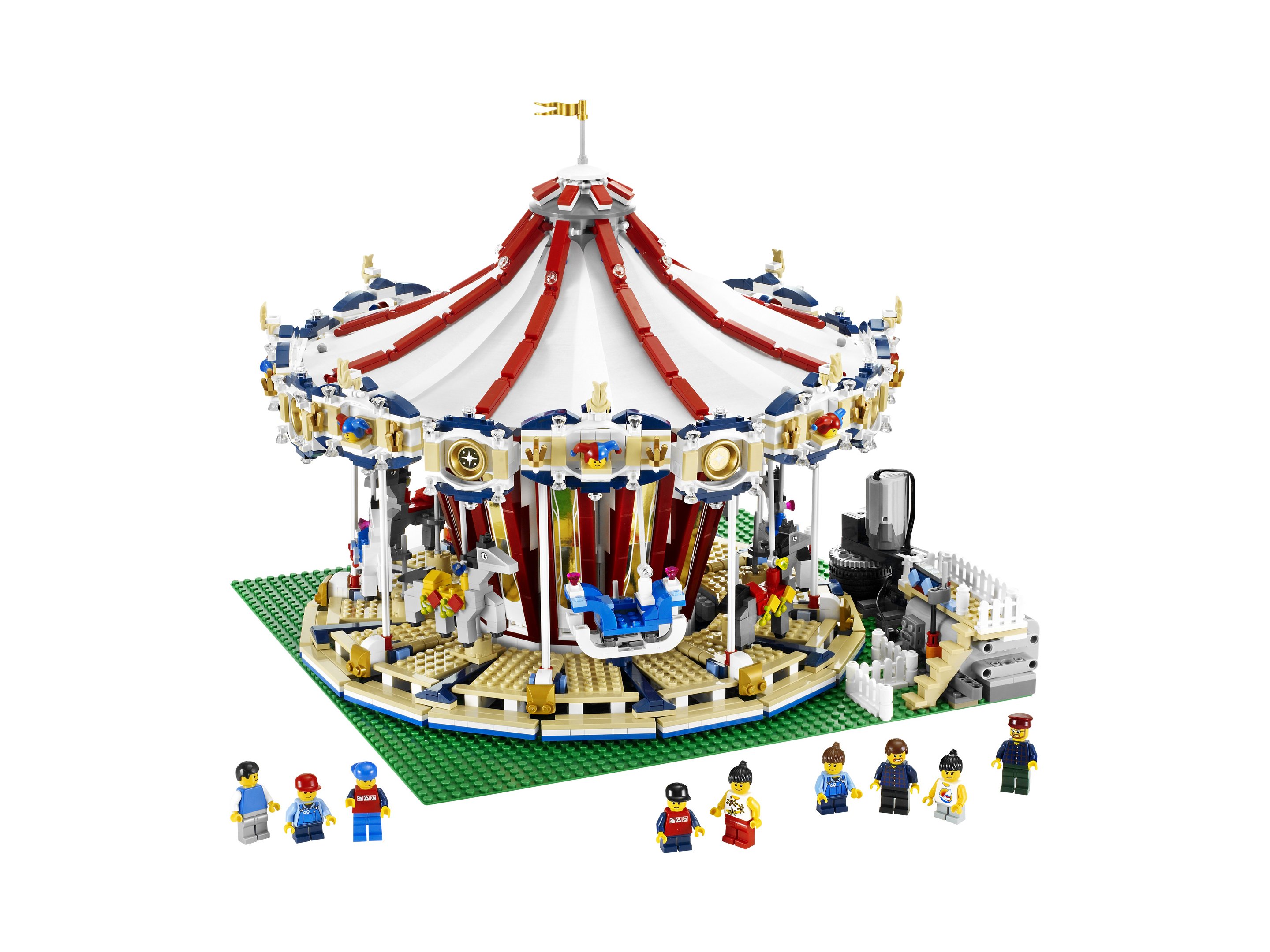
5. Grand Carousel (10196)
The Grand Carousel from 2009 is a standout among retired LEGO sets that went up in value because it actually moves. With a motor and a functioning spinning carousel, it retailed near $250 and now sells sealed in the $700 to $1,200 range. Motorized display sets are relatively rare, and its ornate build made it a centerpiece for collectors. Working, complete copies with all the original elements command the highest prices, while sets missing the motor or worn from play sit well below that range. It is a reminder that mechanical features can add a durable premium that static builds do not enjoy.
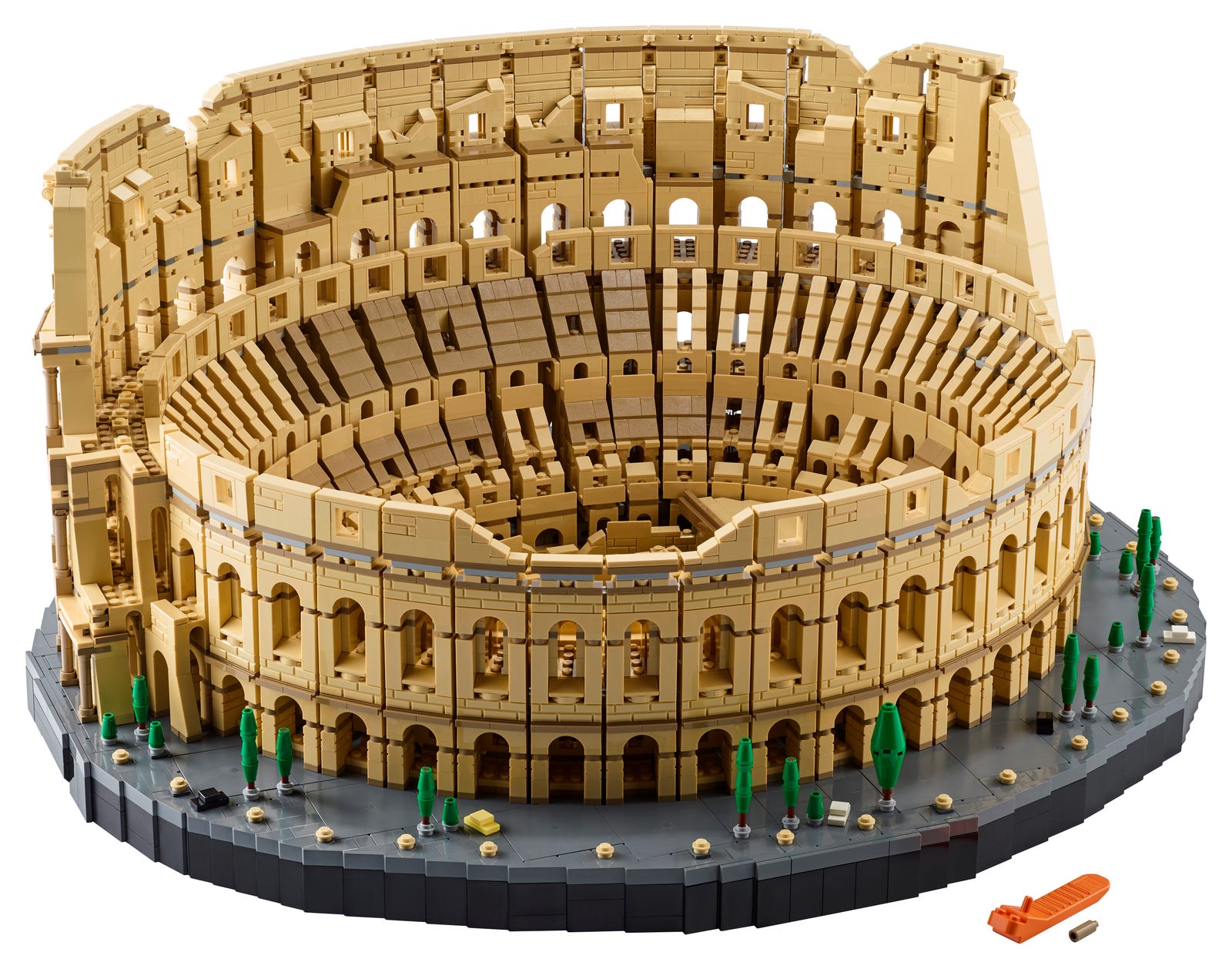
6. Colosseum (10276)
At around 9,036 pieces, the 2020 Colosseum was one of the largest LEGO sets ever produced at launch. It retailed near $550 and, after a relatively short shelf life, sealed copies began trading in the $700 to $1,000 range. Its appreciation is more recent and more modest than the older grails, but the trajectory is clear: a massive, landmark set with a limited window tends to hold and grow. It shows that newer retirements can also reward patient collectors, and that you do not need a twenty-year-old vintage box to see meaningful gains.
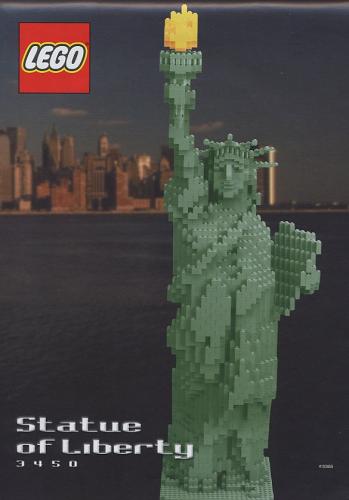
7. Statue of Liberty (3450)
The 2000 Statue of Liberty is an older sculpture set that quietly became valuable. It retailed around $200 and sealed copies now reach the $1,500 to $2,500 range, with used complete builds still fetching solid sums. Its age means very few sealed examples survived, and scarcity is the primary driver here. When almost no clean copies exist, even modest demand pushes prices sharply upward. This set illustrates the survivorship effect: the longer a set has been retired, the fewer mint boxes remain, and the more each surviving copy is worth.
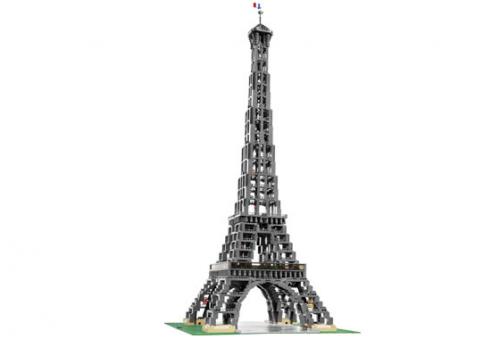
8. Eiffel Tower (10181)
The original 2007 Eiffel Tower stood over three feet tall and used roughly 3,428 pieces. It retailed near $200 and climbed into the $1,500 to $2,500 range for sealed copies before a 2022 successor set appeared. Height, presence, and a low early production run made it a display trophy. Even after the newer Eiffel Tower launched, the original retained its status as the first and rarer version. As with the Taj Mahal, the arrival of a modern remake did not erase the original's collector premium, because scarcity and heritage still favored the earlier release.
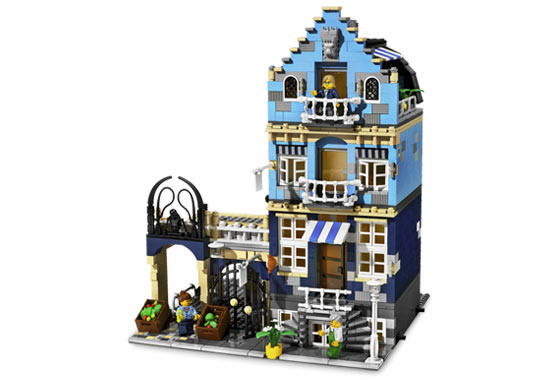
9. Market Street (10190)
Market Street is a cult favorite among modular collectors. Released in 2007 under the Factory line and designed by a fan, it had a small production run and retailed around $90. Sealed copies now trade in the $700 to $1,500 range, sometimes higher, purely because so few were made. It is one of the clearest cases where limited supply, not mass appeal, drives the entire price story. For collectors, Market Street is proof that a modest, low-key set with tiny distribution can outperform much larger and more famous releases.
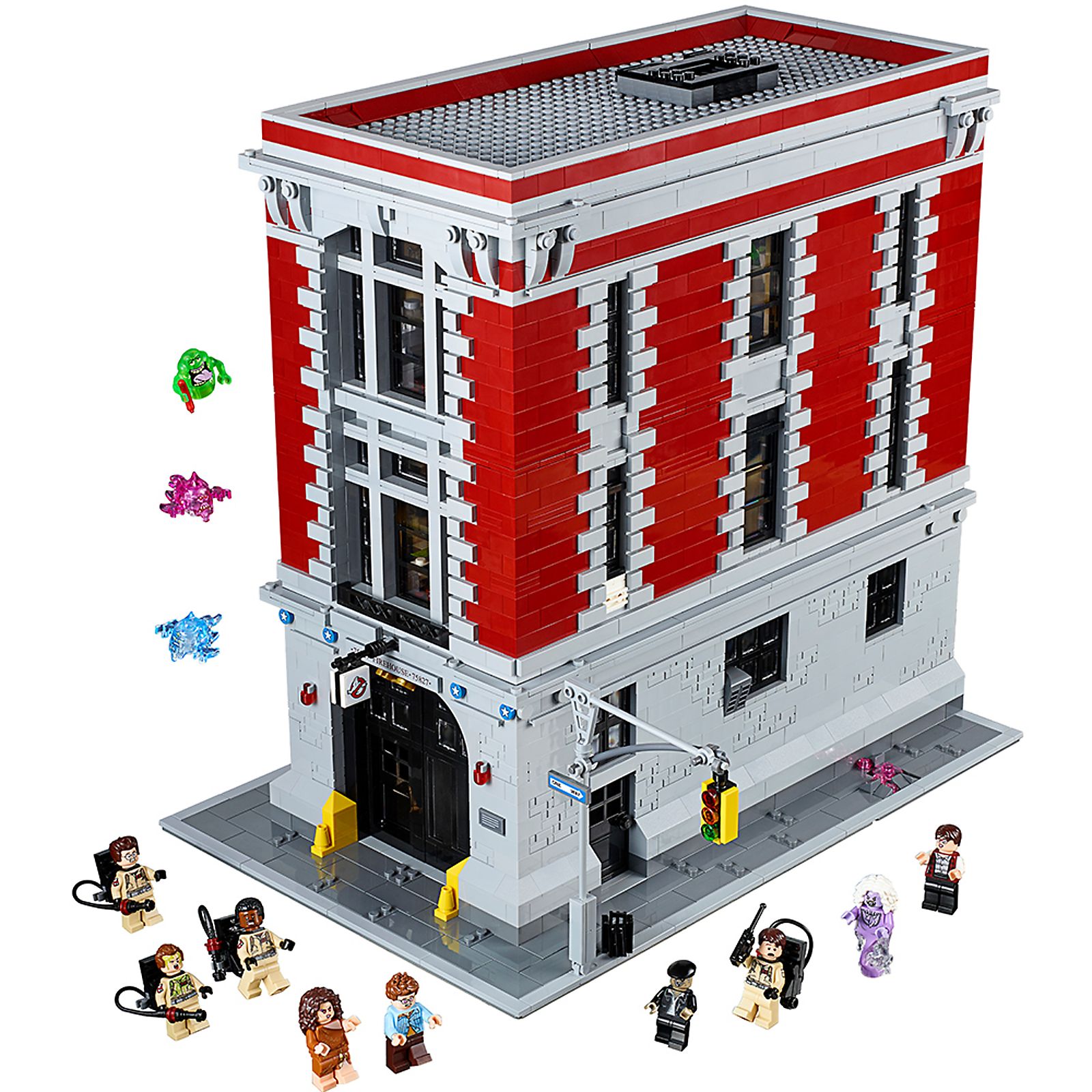
10. Ghostbusters Firehouse Headquarters (75827)
The 2016 Ghostbusters Firehouse blended a strong licensed theme with a detailed, minifigure-rich build. It retailed near $350 and, after retiring, moved into the $500 to $900 range for sealed copies. Nostalgia for the franchise plus a large cast of exclusive minifigures kept demand healthy long after it left shelves. It rounds out the list as a licensed set that appreciated on brand power as much as scarcity, and a reminder that pop-culture licenses can carry a set even when its piece count is not headline-grabbing.
What makes retired LEGO sets that went up in value climb
A few patterns repeat across almost every set above. First, supply is fixed once a set retires, so any ongoing demand has nowhere to go but up in price. Second, large piece counts and landmark or licensed themes attract both builders and display collectors, widening the buyer pool. Third, condition is everything: a sealed box with sharp corners can be worth two or three times a used complete copy. Fourth, time compounds scarcity, since each passing year quietly removes more sealed boxes from the market as they get opened, damaged, or lost. Finally, timing matters, because reissues can temporarily cap an original's growth even when the first edition keeps its long-term prestige.
How to spot the next set that could skyrocket
Predicting the next winner is harder than admiring past ones, but the signals rhyme. Look for sets that are large or unusually detailed, tied to a strong theme or license, nearing the end of their production run, and not obviously slated for a reissue. Modular buildings, big Star Wars Ultimate Collector Series sets, and landmark architecture models have historically been the safest categories. Beyond that, the single most important habit is watching real market data rather than trusting hype, because a set only counts as a good buy if the numbers actually support it.
How to track a set before it retires
The hardest part is not knowing which sets rose in the past. It is spotting the next one before it disappears. This is where a tool like BrickGains helps: you can look up a set's current market range, compare it against retail, and watch its trend over time instead of guessing. If you want to test a single set right now, you can check a set free and see where it stands today. BrickGains is built to make these decisions data-driven rather than emotional, so you can buy and hold with real numbers behind you instead of relying on gut feeling.
Key takeaways
- Retired LEGO sets that went up in value share three traits: fixed supply, strong themes, and pristine condition.
- Older grails like Cafe Corner (10182) and the UCS Millennium Falcon (10179) show the biggest retail-to-current spreads, often thousands of dollars.
- Newer retirements like the Colosseum (10276) prove appreciation is not limited to vintage sets.
- Sealed copies routinely outperform used complete ones, so box condition is a core value driver.
- Reissues can temporarily slow an original's climb but rarely erase its collector premium.
- All figures here are qualified ranges; real prices depend on condition, timing, and demand.
- Track candidates before they retire with data instead of hype to make smarter buying decisions.