Sealed vs Opened LEGO: Which Is Worth More?
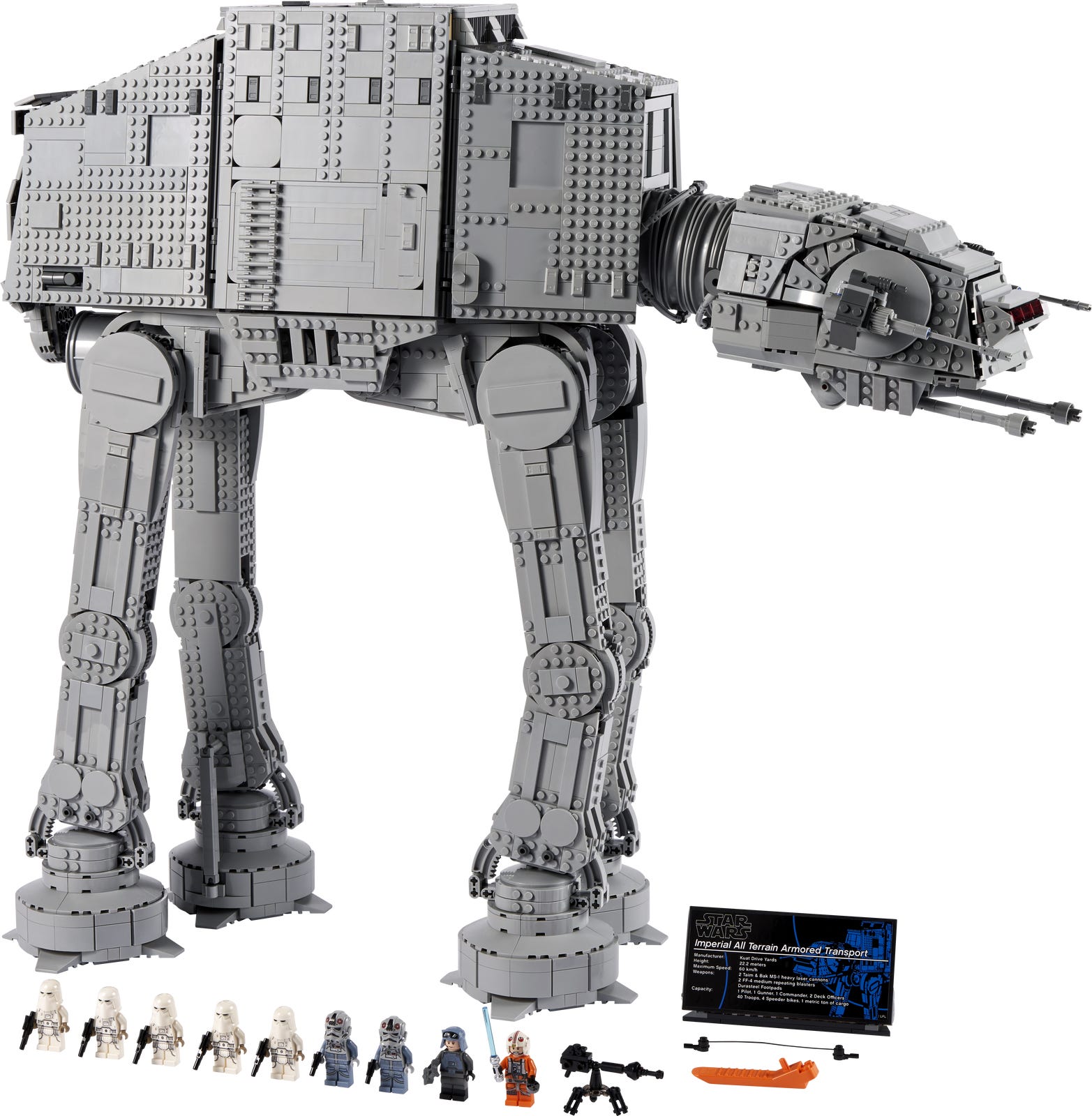
When collectors ask whether they should keep a set sealed or open it, the honest answer starts with money: in the world of sealed vs opened LEGO, a factory-sealed box almost always carries a higher resale value than the same set once it has been opened. But the gap is not fixed, and there are real situations where a well-kept opened set holds its value surprisingly well. This guide breaks down how much of a premium sealed sets command, when opened sets still earn strong prices, and the condition and grading factors that decide the final number.
Sealed vs opened LEGO: the core difference in value
A sealed set, often labeled NISB (New In Sealed Box), is a set that has never been opened. The original factory seals are intact, the box has not been cut or taped, and every element inside is assumed to be present and untouched. An opened set is anything where those seals have been broken, whether the set was built once, played with for years, or simply opened and parted out.
The reason sealed sets sell for more is trust. A buyer purchasing a sealed box does not have to worry about missing pieces, torn instructions, replaced minifigures, or heavy wear. That certainty is worth a premium. As a general rule, a sealed set often commands 20% to 50% more than the same set opened and complete, and for rare or retired themes the gap can stretch far wider.
The typical premium for sealed sets
How large is the sealed premium in practice? It depends heavily on the set and how long it has been retired. A few patterns hold up consistently:
- Recently retired mainstream sets: sealed usually runs about 15% to 30% above a complete opened copy. Supply is still relatively healthy, so the trust premium is modest.
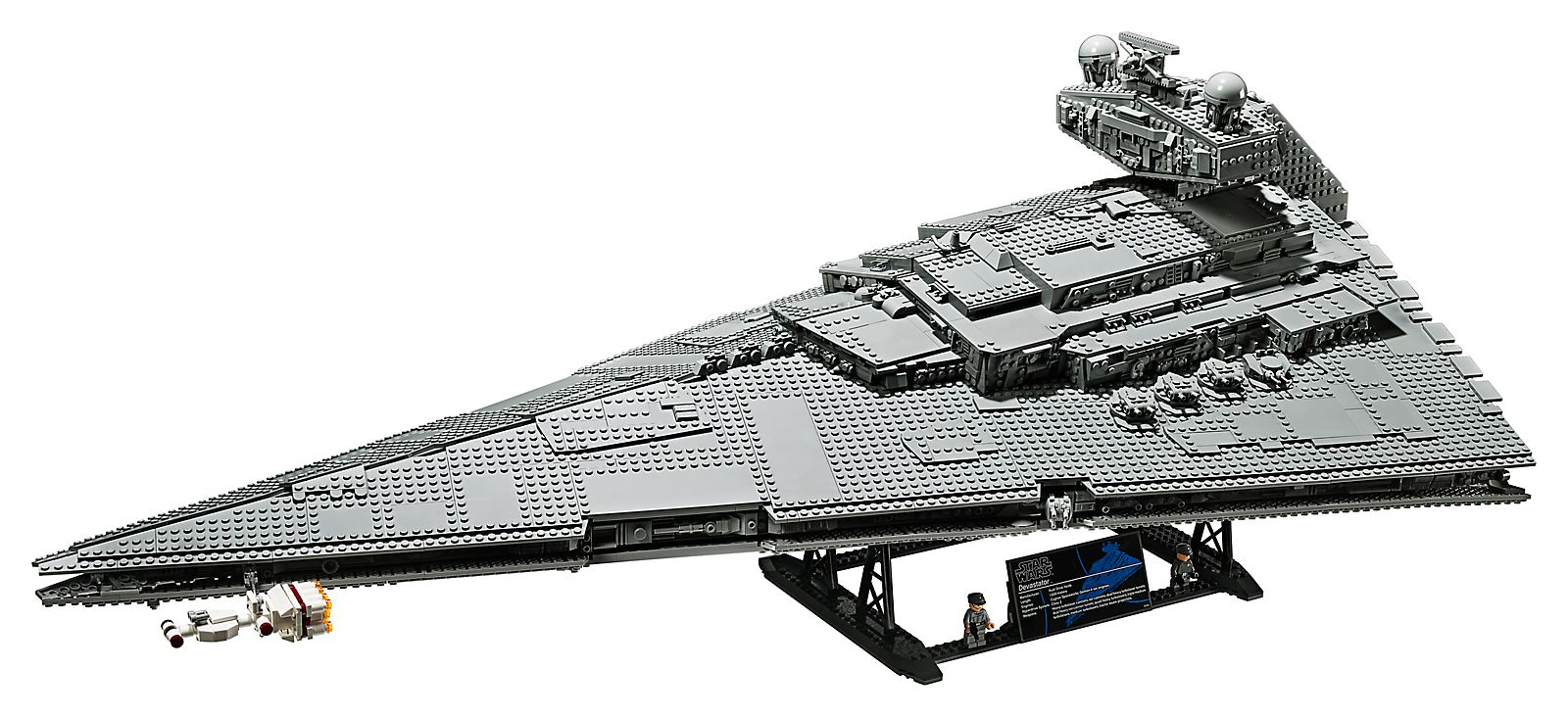
- Long-retired or licensed sets (Star Wars, Modular Buildings, Ideas): sealed can command 40% to 80% more, because clean opened copies also become scarce and buyers chase mint condition.
- Highly collectible grails: for the rarest sets, sealed examples can sell for two to three times the price of an opened set, especially when the box itself is in excellent shape.
These are qualified ranges, not guarantees. The premium shrinks when a set was mass produced and stays widely available, and it grows when sealed copies genuinely dry up. If you want a fast reality check on any specific set, you can check a set free with BrickGains and compare current sealed and used data points before deciding to hold or open.
When opened LEGO can still be worth a lot
Opened does not mean worthless. In many cases a complete opened set retains most of its collector value, and sometimes an opened copy is the only realistic way to own a particular grail. An opened set holds its value best when it checks every one of these boxes:
- Complete parts: every brick and element accounted for, ideally verified against the parts list. Missing pieces are the fastest way to lose value.
- Original box: the box, even flattened, adds meaningful value and reassures buyers the set is authentic.
- Instructions: original printed instruction booklets matter, especially for older sets that are hard to reprint.
- Minifigures: the correct, original minifigs with their accessories. Rare minifigs alone can carry a large share of a set's total worth.
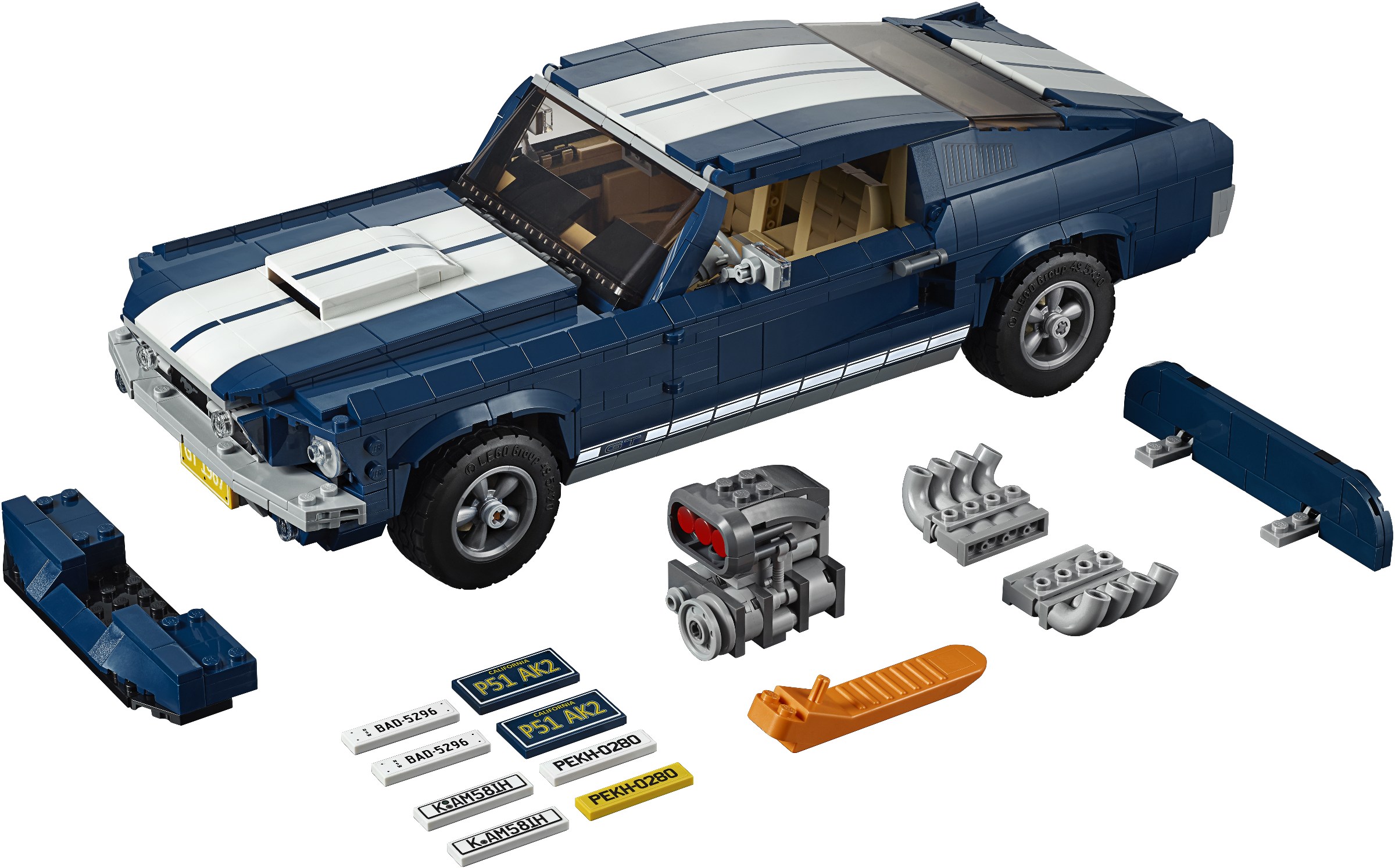
A complete opened set with box, instructions, and all minifigures can often reach 70% to 90% of the sealed price for common sets, and it may be the smarter buy for anyone who plans to display or rebuild the model rather than store it as an investment. The value drop-off is steepest when a set is incomplete or missing its box and paperwork.
Condition and grading: what actually moves the price
Whether sealed or opened, condition is a major lever. For sealed sets, buyers scrutinize the box far more than people expect. Crushed corners, shelf wear, sun fading, price sticker damage, and dents all reduce value even though the contents are untouched. A sealed set in pristine box condition can sell well above a sealed set with a beaten-up box.
For opened sets, condition means the state of the parts and minifigures: yellowing from UV exposure, cloudy or scratched transparent pieces, chewed or stressed clutch, and wear on printed elements all matter. Grading language has become more common in the LEGO market, borrowing from other collectibles. You will see terms like mint, near-mint, and used, and a small but growing segment now deals in professionally graded and slabbed sealed sets, where a third party rates and encapsulates the box.
Grading adds cost and is mainly relevant to high-value sealed sets, but it signals where the market is heading: the more a set is treated as an investment, the more precise condition assessment becomes.
MISB and the terminology every buyer should know
You cannot navigate this market without knowing the acronyms, because they directly affect price expectations:
- MISB (Mint In Sealed Box): the gold standard. Sealed, unopened, and in mint box condition. This commands the highest prices.
- NISB (New In Sealed Box): sealed and unopened, but the box may show ordinary handling or shelf wear. Still highly desirable, usually just below MISB.
- NIB (New In Box): sometimes used loosely, so always confirm whether the seals are truly intact.
- CIB (Complete In Box): an opened set that includes everything, box, instructions, and all parts. This is the top tier for opened sets.
- Used or loose: opened and often without box or instructions, priced accordingly.
When listings blur these terms, value gets confused. A seller calling a set MISB when the box is dented, or NISB when it has clearly been opened, will either lose trust or overcharge. Precise terminology protects both sides of the transaction.
Should you keep it sealed or open it?
The decision comes down to your goal. If you are buying purely as an investment and the set is likely to be sought after, keeping it sealed and storing it carefully in a cool, dry, low-UV space usually preserves the most value. If you bought the set to build and enjoy it, open it, but keep the box, instructions, and minifigures together so that a future complete opened sale still captures strong value.
One practical middle path: check the numbers before you commit. A quick look at recent sealed and opened prices for your exact set tells you how wide the premium really is, and whether the trust premium justifies leaving a set boxed for years. BrickGains is built to make that comparison fast so you can decide with data instead of guesswork.
Key takeaways
- Sealed LEGO almost always outsells opened, with sealed often commanding 20% to 50% more, and much wider gaps for rare or long-retired sets.
- Opened sets can still be valuable when they are complete, with the original box, instructions, and correct minifigures, sometimes reaching 70% to 90% of sealed prices for common sets.
- Condition drives price on both sides: box quality matters most for sealed sets, while part and minifig condition matter most for opened ones.
- Know the terminology: MISB is the top tier, NISB is sealed with light wear, and CIB is the best grade for an opened set.
- Match your choice to your goal, keep true investments sealed and stored well, and always check current sealed vs opened data before you decide.