When to Sell Your LEGO: Timing the Retirement Spike
Knowing when to sell your LEGO is the difference between a good return and a great one. Every collector has heard the stories: a set bought at retail for $150 that later trades for $400 sealed. Those gains are real, but they do not appear the moment a set leaves shelves, and they do not last forever. The resale value of a retired LEGO set follows a fairly predictable arc, and if you understand that arc you can plan your exit instead of guessing. This guide walks through the typical price curve, the retirement spike, the signs that it is time to list, and the traps that catch collectors who hold too long.
The typical LEGO price curve after retirement
Most sets follow a recognizable shape once they exit production. While a set is still available at retail and through promotions, the secondary market stays flat or even dips below MSRP, because nobody pays a premium for something they can still buy at a discount. As stock dries up, prices firm to around retail. Then, in the months after official retirement, the aftermarket price begins to climb as remaining inventory sells through and new buyers turn to resellers.
The steepest appreciation usually happens in the first one to three years after a set is discontinued. After that, growth tends to slow to a steadier annual pace for popular themes, often in the range of five to twelve percent per year for sets that stay in demand. Take the Modular Buildings line as a reference point. Sets like the Assembly Square (10255) and Parisian Restaurant (10243) held retail well while available, then appreciated meaningfully in the years after retirement because demand from display builders never faded. The exact numbers vary by set, but the pattern is consistent: a slow start, a climb, then a plateau or grind higher.
The retirement spike and how long gains take
The "retirement spike" is the pronounced jump in secondary prices that follows a set going out of production. It is driven by a simple supply and demand imbalance. Supply is now fixed and slowly shrinking as sets get built and boxes get damaged, while demand keeps arriving from latecomers, gift buyers, and collectors completing a theme. That mismatch pushes prices up.
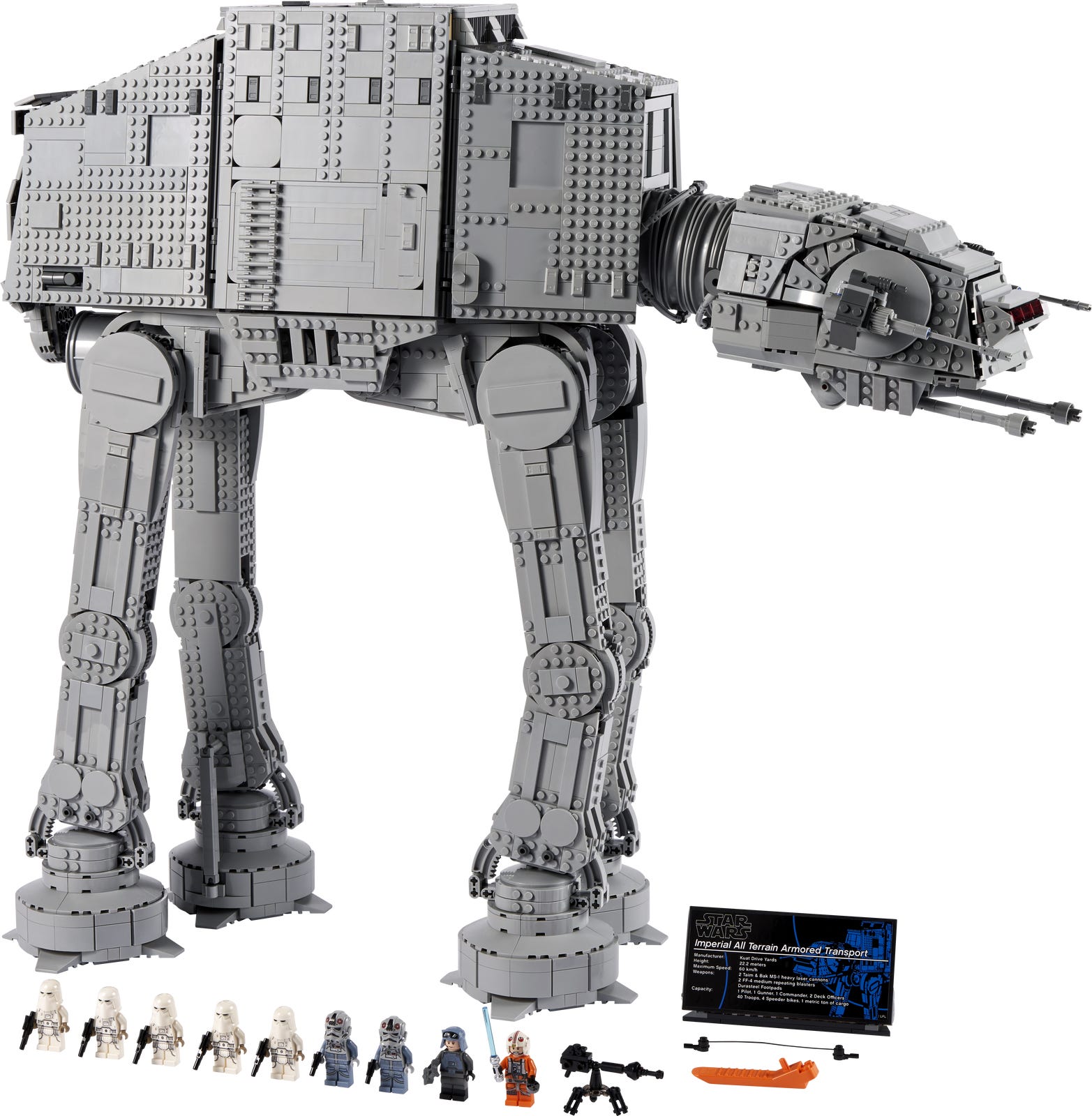
Here is the part many sellers get wrong: the spike is rarely instant. In the first few weeks after retirement, prices often stay near retail because the market is still absorbing leftover stock from retailers and third parties clearing shelves. The real move typically builds over the following six to eighteen months. Sets like the Ghostbusters ECTO-1 (10274) or large Star Wars UCS models tend to show this delayed climb clearly, where patient sellers who waited past the initial glut captured stronger prices. If you list the day a set retires, you may be selling into the weakest window. Watching the actual price history matters more than reacting to the retirement announcement alone, which is exactly what BrickGains price-history charts are built to show.
Signs it is time to sell your LEGO
Timing an exit is easier when you know what to look for. A few reliable signals suggest the market is near a strong point:
- The curve is flattening after a strong run. When a set has climbed steadily and then several months pass with little further gain, you are likely near a plateau. Selling into strength beats waiting for a reversal.
- Sold listings, not asking prices, confirm the level. Anyone can ask a high number. What matters is what buyers actually pay. When completed sales cluster consistently at an elevated price, the value is real.
- Supply of sealed copies is thinning. If fewer new sealed listings appear each month, scarcity is working in your favor and the peak may be close.
- A relevant catalyst hits. A new movie, anniversary, or viral display can lift a theme quickly. That surge is a chance to sell into demand rather than wait for it to cool.
- Your capital has a better use. If a set has already delivered most of its expected gain, freeing that money for a fresher retiring set can compound your returns faster than holding a mature one.
Holding too long: reissues and demand fade
The biggest mistake collectors make is assuming LEGO only goes up. It does not. Two forces can erode value on a set you hold too long. The first is reissue risk. LEGO regularly revisits popular subjects, and a new version can undercut demand for an older one. The Millennium Falcon is the classic example: the original UCS (10179) became legendary, but LEGO later released a new UCS Falcon (75192), and the arrival of a fresh flagship changes buyer behavior for related sets. When a theme gets a modern remake, the older set is not automatically doomed, but the easy upside often stalls.
The second force is demand fade. Not every retired set appreciates. Licensed sets tied to a specific film or trend can cool once the cultural moment passes, and generic or oversupplied sets may never build meaningful scarcity. Holding one of these for years ties up money and storage while the market drifts sideways or down. The lesson is not to sell everything early. It is to recognize that "hold forever" is a strategy that only works for genuinely scarce, evergreen sets, and to actively decide rather than default to holding.
Seasonality and the holiday window
When you sell inside the year matters almost as much as which year you sell. LEGO is a gift-driven product, and buyer demand is not flat across the calendar. The strongest selling window for most sets runs from roughly October through late December, when holiday shoppers, including many who do not normally follow the secondary market, come hunting for sets that are sold out at retail. Prices and sell-through both tend to peak in this stretch.
By contrast, the slow months are often January and February, right after the holidays, when budgets are tight and demand thins. If you are sitting on a set that is already near its expected value, listing in November rather than February can add a real premium and sell faster. Retired seasonal and Winter Village sets, and Christmas-themed builds, show this effect strongly, but the holiday lift touches almost the entire catalog to some degree. Plan your listings around that rhythm.
Sealed versus opened when selling your LEGO
Condition changes the math significantly. Sealed, new-in-box sets carry the clearest premium because buyers are paying for an untouched collectible and, in many cases, an investment they can resell later. A factory-sealed copy of a sought-after retired set can command a meaningful markup over the same set opened, sometimes a substantial one for flagship models with intact, undamaged boxes.
Opened sets are not worthless, far from it, but they sell to a different buyer: someone who wants to build and display rather than store an investment. For opened sets, completeness is everything. A complete set with all pieces, the instruction booklets, and the minifigures will always beat a partial one. Rare minifigures deserve special attention, because a single desirable figure can sometimes be worth more sold on its own than as part of a used bulk set. Before you sell an opened set, check whether parting out the minifigures or rare pieces beats selling the whole. As a rule: if you are holding purely for resale value, keep it sealed and keep the box in good shape, because opening it now can cost you later.
Using alerts to catch the peak
The hardest part of timing is attention. Nobody can watch dozens of sets every day, and the best selling windows can open and close in a matter of weeks. This is where automation earns its keep. Instead of manually checking prices, you can let alerts tell you when a set you own crosses a target price, when a retirement is confirmed, or when a set enters the appreciation window where the retirement spike typically begins.
BrickGains is built around exactly this. It tracks resale values, shows the full price history so you can see whether a set is climbing or plateauing, and sends sell-now alerts when your holdings hit a level worth acting on. That turns "when to sell your LEGO" from a guessing game into a set of triggers you define once and let run. If you want to stop refreshing marketplace tabs and start selling at the right moment, you can get sell-now alerts and let the data flag the peak for you.
Timing is not about predicting the exact top, which is impossible. It is about selling into strength, respecting the retirement spike's delay, avoiding reissue and fade traps, listing in the holiday window, and using data instead of instinct. Do those consistently and your LEGO returns will reflect it.
Key takeaways
- The LEGO price curve stays flat or below retail while a set is available, then climbs most steeply in the first one to three years after retirement.
- The retirement spike is usually delayed, building over roughly six to eighteen months, so listing the day a set retires can mean selling into the weakest window.
- Sell into strength: a flattening curve after a strong run, consistent sold prices, and thinning sealed supply are your signals.
- Do not assume LEGO only goes up. Reissues (like a new UCS Millennium Falcon versus the old one) and demand fade can erode value if you hold too long.
- Seasonality is real: October through December is the strongest selling window, while January and February are usually the weakest.
- Sealed sets carry the clearest premium; for opened sets, completeness and rare minifigures drive value, and parting out can sometimes beat selling whole.
- Use price-history charts and sell-now alerts to catch the peak instead of watching the market by hand.